Dog Shedding Season: What to Expect and How to Help
PETCOGROOMING · GROOMING TIPS & ADVICE
Dog Shedding Season: What to Expect and How to Help
Less loose fur. A gentler routine. Know what’s normal—and when your dog needs a vet, not another brush.
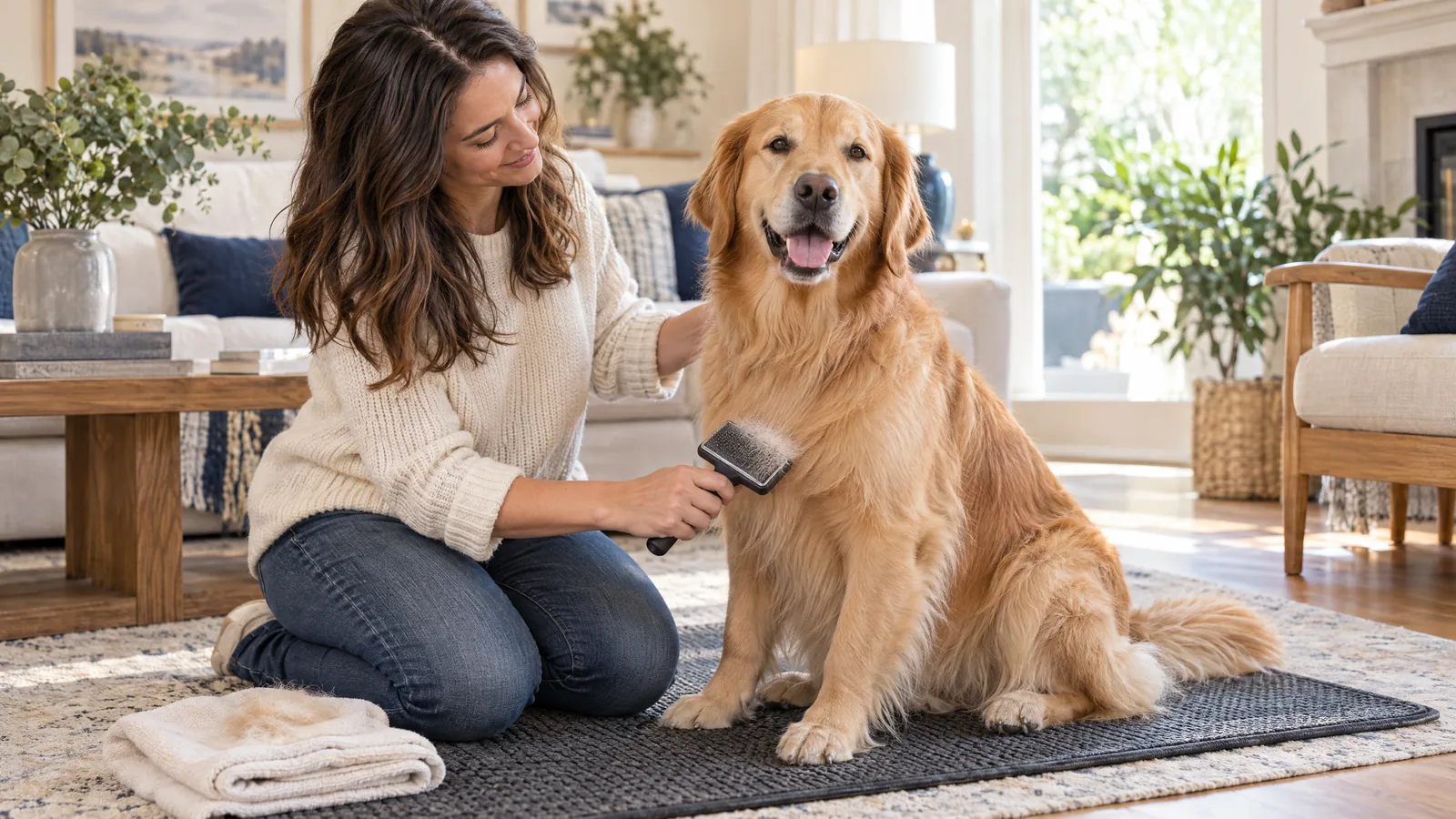
Finding dog hair on the couch, across the floor, and somehow on clothes straight out of the closet can make shedding season feel endless. If your dog seems to leave twice as much fur behind as usual, you may be seeing a normal seasonal coat change. For many dogs, shedding is part of how their coats respond to changing daylight and temperatures. For others, loose hair is a year-round reality.
The amount of fur you find depends on more than the calendar. Breed, coat type, indoor living, and individual needs all influence when and how much a dog sheds. You cannot stop shedding completely, but you can manage loose fur comfortably, protect the coat and skin, and recognize when hair loss might need veterinary attention.
With the right brush, a gentle routine, and a few practical cleaning habits, shedding can become much easier to handle.
Quick Answer: When Is Dog Shedding Season?
Dog shedding season commonly becomes more noticeable in spring and fall, especially in dogs with thick double coats. Some release their winter undercoat as warmer weather approaches, while others shed more noticeably as conditions change toward colder weather.
There is no universal shedding calendar. Dogs living indoors under relatively stable temperatures and artificial lighting may shed more evenly throughout the year. Short-coated dogs can shed regularly, too, even if their loose hairs are less noticeable in clumps.
To manage shedding, use a coat-appropriate brush, bathe when needed, dry the coat thoroughly, and clean loose fur before it spreads. If you notice bald patches, irritated skin, persistent itching, sores, or sudden changes in hair loss, contact your veterinarian rather than assuming the problem is seasonal.
Why Dog Shedding Season Happens in Spring and Fall
A dog’s coat continually grows and replaces hair. Shedding is part of that natural cycle, but the pattern differs from one dog to another.
Spring: Releasing the Winter Coat
Some dogs grow a dense undercoat that provides insulation during colder weather. As conditions change in spring, they may release substantial amounts of this undercoat. You might notice soft tufts collecting on bedding, coming away during brushing, or drifting across the floor.
This is particularly noticeable in double-coated dogs, whose coats have an outer layer of guard hairs and a softer insulating undercoat. When that undercoat loosens, the amount of visible fur can increase dramatically.
Not every dog experiences a pronounced spring shed. Dogs with other coat types may shed steadily instead of releasing large amounts of hair in a short period.
Fall: Another Coat Change
Fall can bring another noticeable shedding period as some dogs’ coats adjust to changing conditions. The timing and amount vary. One dog may leave loose hair around the house for weeks, while another shows little obvious seasonal change.
It is best not to assume every dog must shed heavily in both spring and fall. Breed, coat type, and local conditions influence the pattern.
Why Some Dogs Shed All Year
Indoor living can make seasonal patterns less obvious. Heating, air conditioning, artificial light, and relatively stable indoor temperatures may contribute to more consistent shedding throughout the year. Breed genetics and coat characteristics also play important roles.
The American Kennel Club explains these differences in its guide, Dog Shedding: What to Expect and How to Manage It. Age and individual circumstances can affect a coat, too, so comparing your dog with another pet—or relying on a month-by-month shedding chart—may not tell you what is normal for yours.
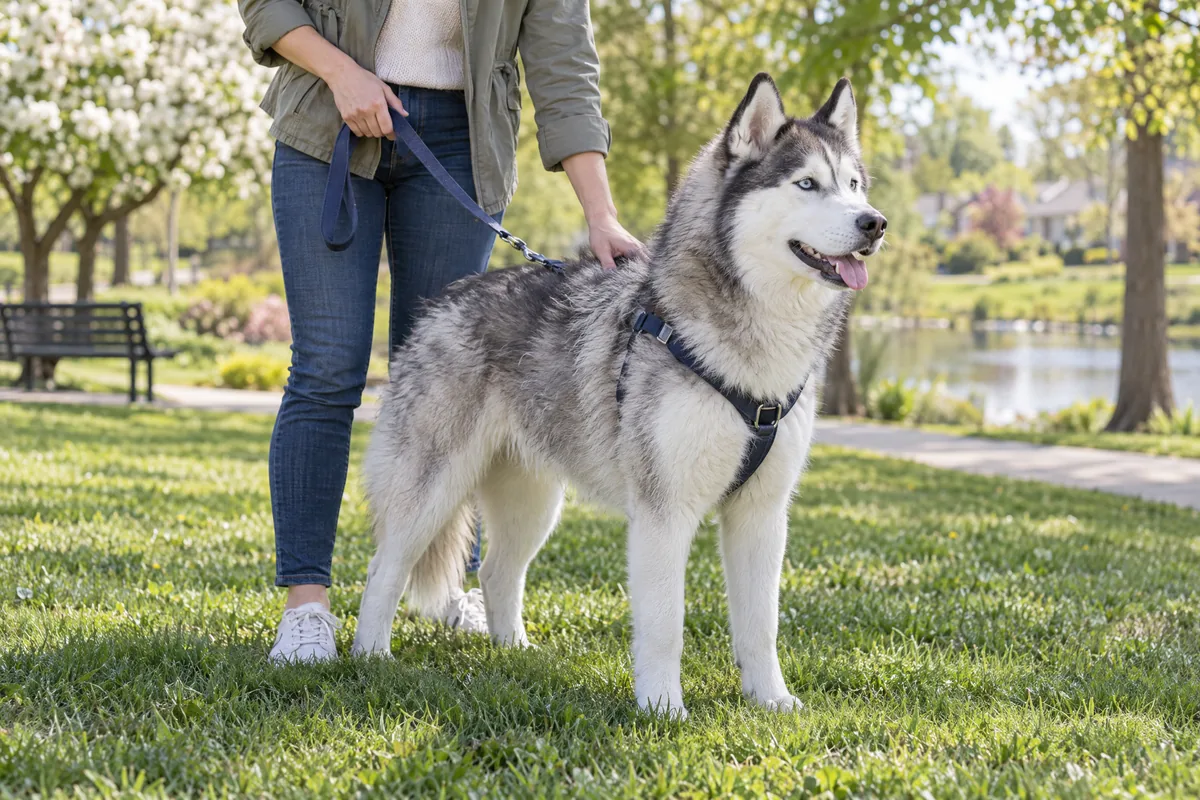
Normal Shedding or a Sign of Hair Loss?
Normal shedding generally involves loose hair coming away while the skin and remaining coat look healthy. Abnormal hair loss may involve thinning, bare patches, skin changes, or discomfort.
What Ordinary Shedding Can Look Like
Depending on the coat, normal shedding may include:
- Loose hairs on furniture, clothing, bedding, and car seats.
- More fur coming away during brushing than at other times of year.
- Small tufts of undercoat releasing from a thick-coated dog.
- A coat that looks less bulky after loose hair is removed, without bare patches or irritated skin.
- Shedding that changes gradually with the seasons or remains fairly steady year-round.
These signs can fit an ordinary shedding pattern when your dog otherwise seems comfortable and the skin looks healthy.
Signs That Deserve Attention
Hair loss is more concerning when you notice:
- Distinct bald spots or areas of noticeable thinning.
- Redness, scabs, sores, crusting, or unusual skin changes.
- Persistent scratching, licking, chewing, or rubbing.
- Hair that breaks easily or a coat with an unusual texture.
- Sudden, substantial shedding that differs from your dog’s usual pattern.
Several conditions can affect a dog’s skin and coat. Parasites, allergies, infections, and other health problems may require veterinary assessment, and they cannot reliably be distinguished by looking at loose hair alone. Do not assume a bald patch means your dog simply needs a stronger brush.
The American Kennel Club’s guide to Hair Loss in Dogs explains why unusual thinning and bald areas deserve attention.
How to Manage Dog Shedding Safely
A gentle, consistent grooming routine can remove loose hair before it spreads around your home. The aim is to care for the coat, not to eliminate every hair.
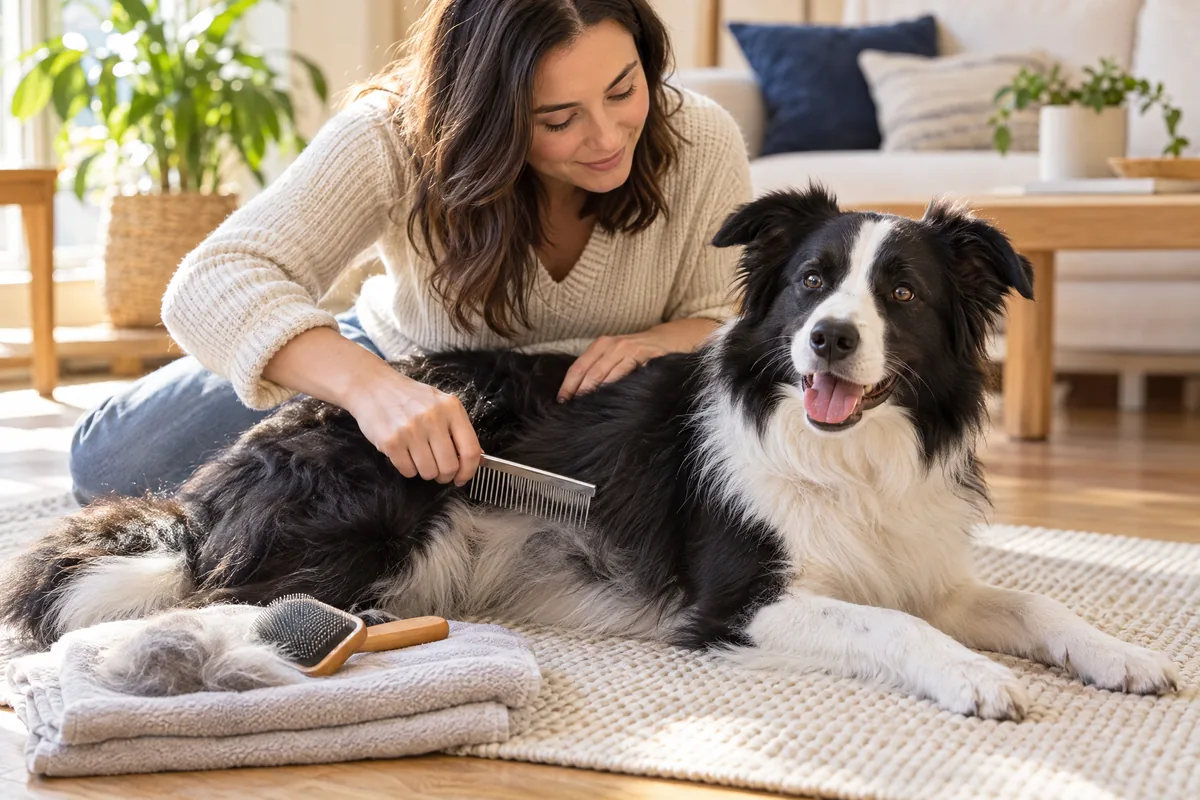
1. Choose a Brush That Matches the Coat
No single brush works equally well for every dog. Choose according to hair length, coat density, texture, and whether your dog has an undercoat.
- Short, smooth coats: A soft-bristle brush or grooming mitt may collect loose surface hair.
- Medium or long coats: A suitable pin brush or comb can help manage loose hair and identify tangles.
- Dense double coats: An appropriate undercoat rake or de-shedding tool may help remove loose undercoat when used correctly.
- Fine or easily tangled coats: A gentle brush and comb may be more suitable than an aggressive de-shedding tool.
Follow the tool’s instructions and introduce it gradually, especially if your dog is sensitive to handling. If you are unsure what to use, ask a qualified groomer or veterinarian.
For practical technique, see our guide on how to brush a dog properly.
2. Brush Gently
More brushing is not always better. Repeated scraping or forceful strokes can irritate the skin, break hair, and make grooming unpleasant.
Work in manageable sections with light pressure. Check the brush regularly for collected hair, and pay attention to areas where tangles commonly form, including behind the ears, around the legs, and beneath collars or harnesses.
Stop if your dog repeatedly pulls away, cries, growls, or appears uncomfortable. Check the skin and tool rather than pushing through the session. Never tug at a tight mat or cut one out with scissors close to the skin. A groomer or veterinarian can help remove difficult mats safely.
Brushing frequency should depend on your dog. A long coat prone to tangling may need more frequent attention than a smooth coat. During heavier shedding, you may need to brush more often, but let the coat’s condition and your dog’s comfort guide the routine.
3. Bathe When Needed
Bathing may remove dirt and some loose hair, but it does not stop the shedding cycle. Appropriate bathing frequency depends on coat type, lifestyle, skin condition, and veterinary recommendations.
Use shampoo formulated for dogs. Human shampoo and harsh household products may irritate the skin. Medicated products should be used when recommended for your dog’s needs.
Wet the coat thoroughly, follow the shampoo directions, and rinse carefully so residue does not remain against the skin. Avoid getting shampoo into the eyes or ears.
Dry your dog thoroughly with a method suited to its coat and tolerance. If using a dryer, choose an appropriate low-heat or cool setting, keep the airflow moving, and avoid directing hot air close to the skin. Thick coats can retain moisture beneath the surface, so check that the undercoat is drying. Never leave a dog unattended while using grooming equipment.
Our guide on how to bathe a dog covers the process in more detail. VCA’s veterinary resource, Grooming and Coat Care for Your Dog, also explains why care needs vary among coats and individual dogs.
4. Take Extra Care With Double-Coated Dogs
A dense double coat can release surprising amounts of undercoat during seasonal changes. That does not mean shaving is the answer.
Shaving a double-coated dog is not a routine solution for shedding. The coat provides insulation and skin protection, and clipping can affect its appearance and regrowth. Specific medical circumstances may call for clipping, but discuss those decisions with a veterinarian or qualified grooming professional.
Instead, focus on removing loose hair without damaging the coat. If the undercoat is heavily impacted or difficult to manage, professional grooming may be safer than repeatedly using a tool at home.
Practical Ways to Keep Dog Hair Under Control
A few simple habits can reduce the amount of fur that accumulates:
- Use washable covers: Place blankets on favorite resting spots and wash them as needed.
- Vacuum regularly: During heavier shedding, shorter, more frequent cleaning sessions may be easier than waiting for a major buildup.
- Brush in an easy-to-clean area: Collect loosened fur before your dog moves around the house.
- Clean bedding and resting areas: Follow fabric care instructions and let items dry completely before your dog uses them again.
- Keep cleanup tools handy: Lint rollers, washable hair-removal tools, and a suitable vacuum can help with clothing, upholstery, and car interiors.
A washable car-seat cover can also simplify cleanup. Make sure it fits securely and does not interfere with safety restraints.
Remember, the amount of hair around your home is not a measure of how well cared for your dog is. Some healthy dogs shed heavily, while others leave very little visible fur. The goal is to manage loose hair without making grooming stressful.
When Should You Contact a Veterinarian?
Arrange a veterinary appointment for unexplained bald patches, persistent itching, recurring skin irritation, sores, or a substantial change in your dog’s usual coat. Do not wait for shedding season to pass if the skin looks unhealthy or your dog appears uncomfortable.
A veterinarian can examine the skin and coat, ask when the change began, and determine whether further assessment is needed. Avoid trying multiple shampoos, supplements, or home remedies before understanding what may be causing the problem. Products that help one dog may be unnecessary or unsuitable for another.
Seek prompt veterinary advice for painful, rapidly worsening, or extensive skin changes. If your dog also seems seriously unwell, contact a veterinary clinic promptly rather than treating the problem as routine shedding.
For a dog with a healthy-looking coat, seasonal shedding can often be managed with sensible grooming and regular cleanup. If something differs noticeably from your dog’s usual pattern, asking a professional is safer than guessing.
A simple care tool
Build a gentler shedding routine
Choose the answers that fit your dog. This planner offers general grooming ideas, not a diagnosis or a one-size-fits-all schedule.
Gentle starting points
- Choose a gentle brush suited to your dog’s coat; avoid scraping and repeated passes over one area.
- Let your dog’s coat needs and comfort guide the routine, rather than aiming for an arbitrary number of sessions each day.
- Stop if the skin seems sore. Bathe as needed with dog shampoo, never human shampoo.
- If grooming feels difficult, pause and ask a veterinarian or groomer for individualized guidance.
When to ask a veterinarian: Unexpected bald patches, skin redness, itching, or a sudden unusual change in shedding should be checked by a vet. This educational tool is not a diagnosis.
Frequently Asked Questions
1. What months do dogs shed the most?
Many dogs with thick double coats shed more noticeably in spring and fall. There are no universal months for every dog, however. Breed, coat type, local conditions, and indoor living all influence the pattern.
2. How long does dog shedding season last?
There is no fixed timeline. Some dogs release loose hair over a relatively short period, while others shed gradually or have several noticeable changes. Watch whether the coat and skin remain healthy rather than relying on a set number of weeks.
3. Should I bathe my dog more often during shedding season?
Not automatically. A bath may remove dirt and some loose hair, but the appropriate frequency depends on your dog’s coat, lifestyle, skin, and veterinary recommendations. Use dog-formulated shampoo, rinse thoroughly, and dry the coat safely.
4. Does shaving my dog stop shedding?
Shaving is not a reliable solution to shedding and is not routinely recommended for double-coated dogs. Use suitable brushing techniques instead. If shedding comes with bald patches or skin irritation, consult your veterinarian.
Sources
- American Kennel Club: Dog Shedding: What to Expect and How to Manage It
- VCA Animal Hospitals: Grooming and Coat Care for Your Dog
- American Kennel Club: Hair Loss in Dogs
General grooming information, not a diagnosis or a substitute for veterinary advice. Editorial images are AI-generated illustrations.