How to Dry a Dog After a Bath: Towels, Air-Drying, and Dryer Safety
Learn when to towel-dry, air-dry, or use a dog dryer after a bath, with practical advice for handling dense coats and keeping drying comfortable.
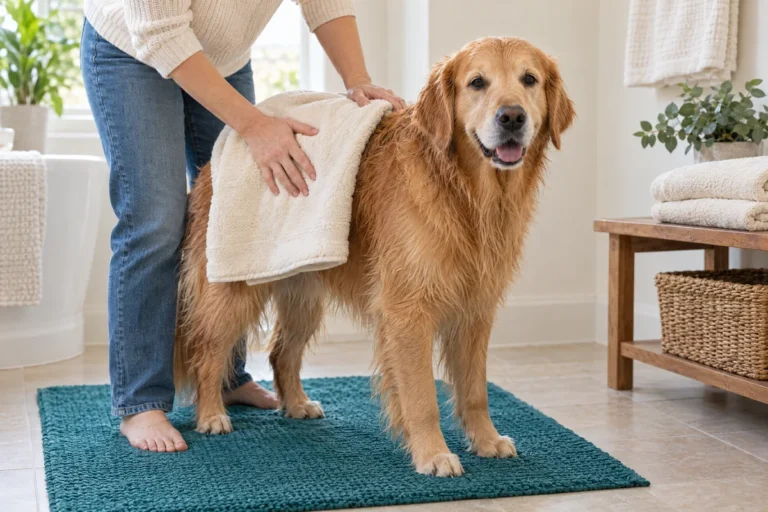
Learn when to towel-dry, air-dry, or use a dog dryer after a bath, with practical advice for handling dense coats and keeping drying comfortable.
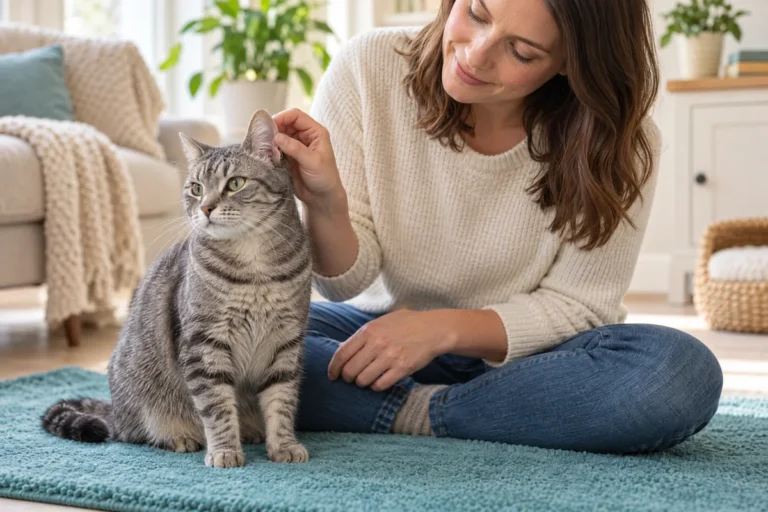
Most cats do not need routine ear cleaning. Learn how to check the visible outer ear, wipe surface dirt when advised, and recognize signs that need a veterinarian.
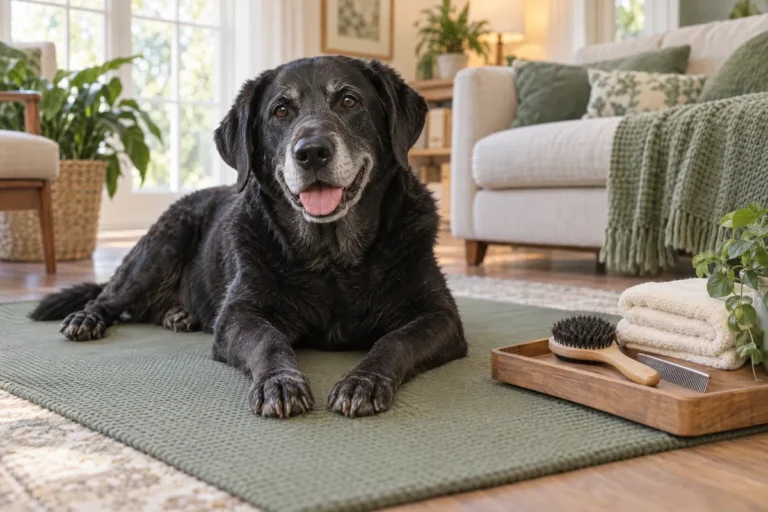
A practical comfort-first grooming guide for older dogs: prepare an accessible setup, prioritize manageable tasks, and communicate your dog’s needs to the groomer.
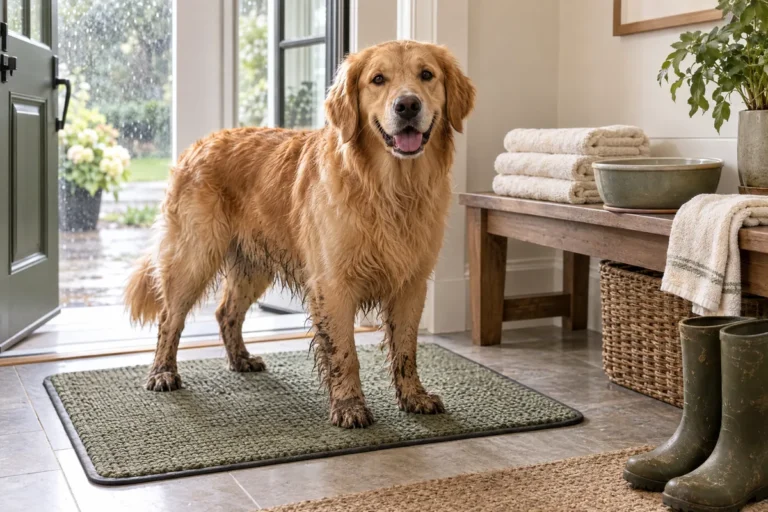
After-walk grooming · A proportionate cleanup The quickest way to clean a muddy dog is to check where the dirt actually is, then use the smallest amount of cleaning needed: wipe light paw smudges, rinse or wash packed mud from paws, and clean muddy legs, belly, or coat in small sections. Finish by drying the…
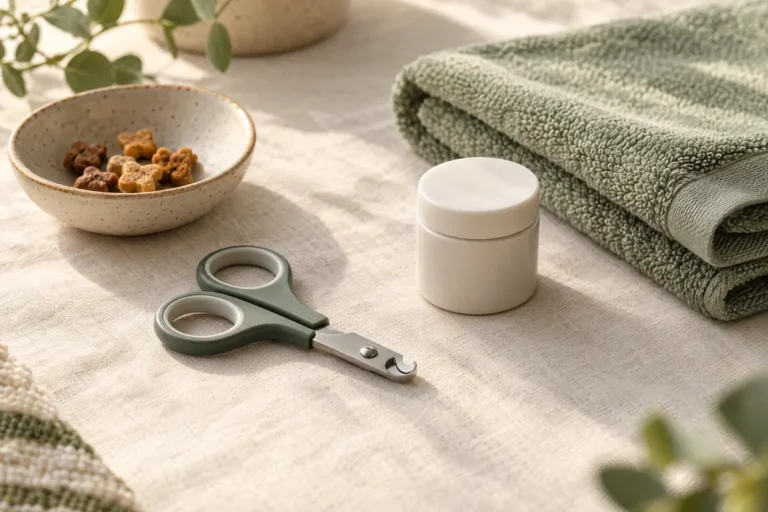
Cat nail care · Small steps, clear boundaries Trimming a cat’s nails can feel intimidating when your cat pulls a paw away or the nail’s pink center is hard to see. The safest approach is conservative: understand which part of the claw you can trim, use a suitable tool, and work only while your cat…
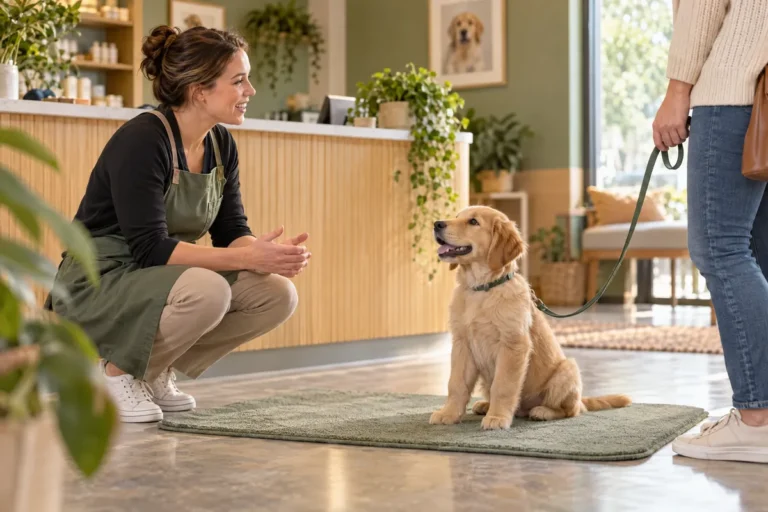
Your puppy’s first grooming visit does not have to include a full haircut. Learn how to check salon requirements, prepare for drop-off, and plan around your puppy’s comfort.
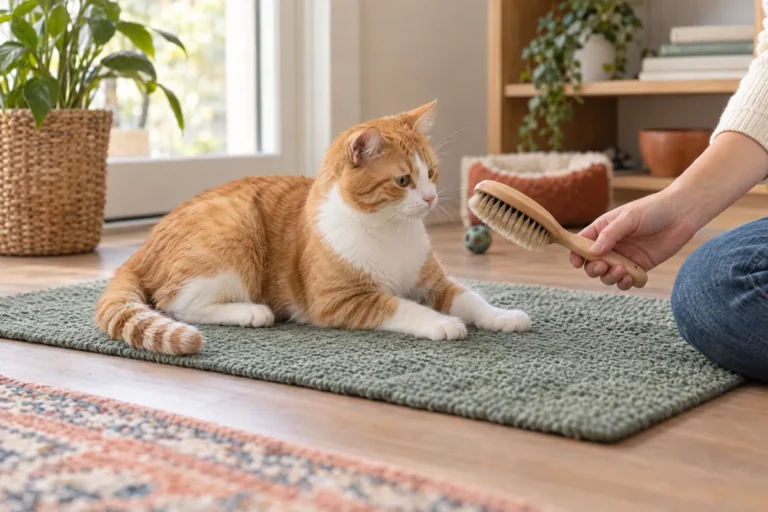
Help your cat feel safer around a brush with a gradual, low-stress approach. Learn how to introduce the tool, reward calm choices, recognize stress signals, and know when to ask for professional help.
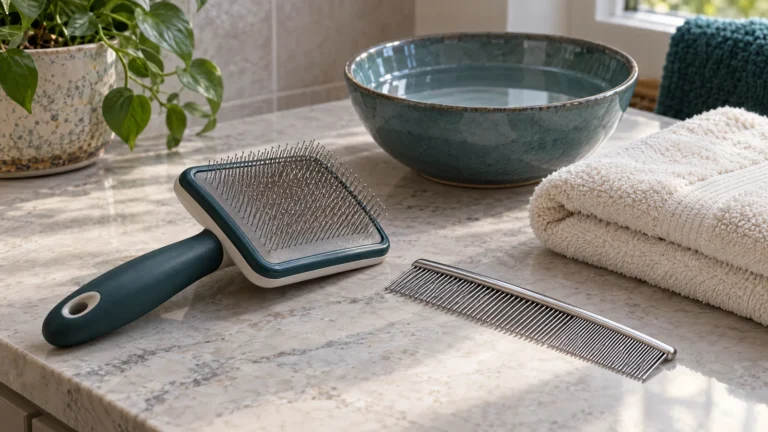
Learn a material-aware routine for cleaning dog brushes and combs, protecting wood and cushions, drying tools thoroughly, and knowing when to ask about disinfection.
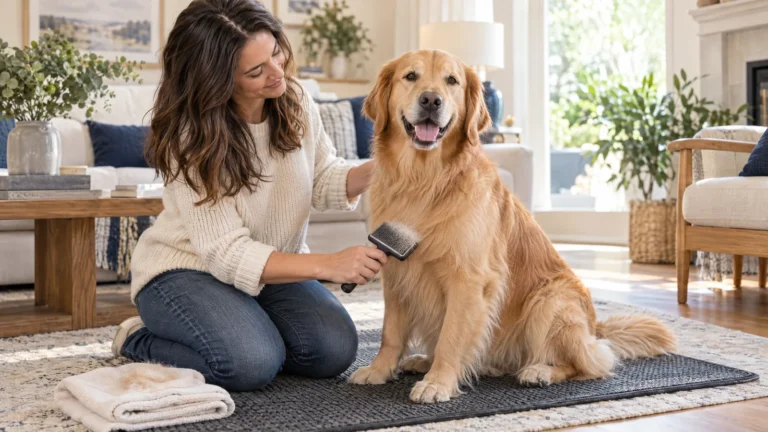
Dog shedding season often brings extra fur around the house, especially for dogs with thick double coats. Learn what causes seasonal shedding, how to brush and bathe your dog safely, and which signs of hair loss deserve veterinary attention.
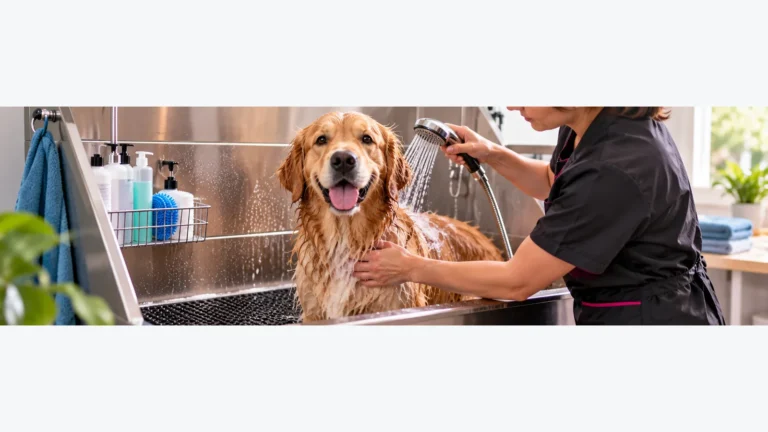
Choosing a dog grooming tub? Learn how to compare sizes, materials, drainage, ramp access, and safety features to find a suitable setup for home bathing or professional grooming.
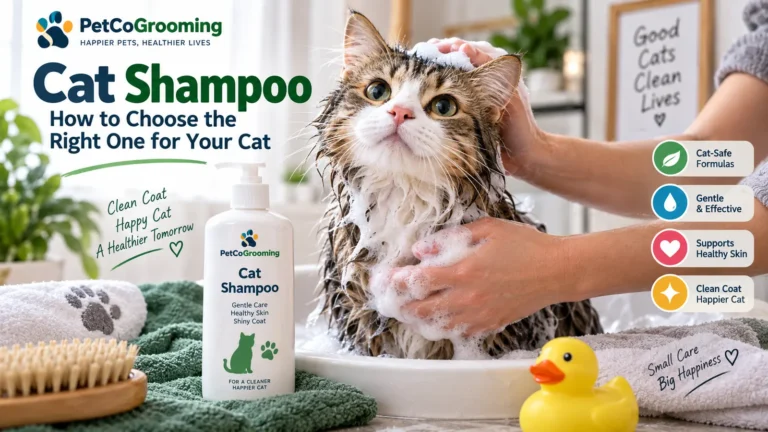
In this guide When a bath is needed Choose a cat-safe formula Bathing steps Shampoo or waterless care? When to ask your vet Common questions If your cat actually needs a bath, use a shampoo made specifically for cats rather than human shampoo or a random household cleanser. Most healthy cats do not need frequent…
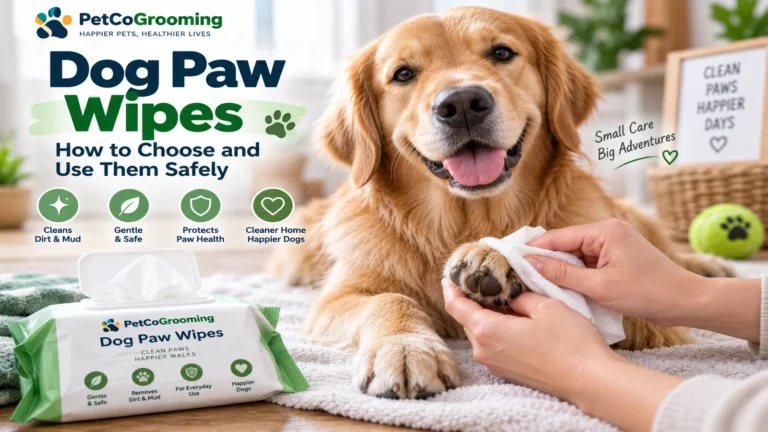
In this guide Choose an appropriate wipe Step-by-step cleanup Wipe or wash? Daily-use precautions When wipes are not enough Common questions Dog paw wipes are a convenient way to remove everyday dirt, mud, sand, and road salt from your dog’s paws after walks—but they should be made specifically for dogs and used as a quick…
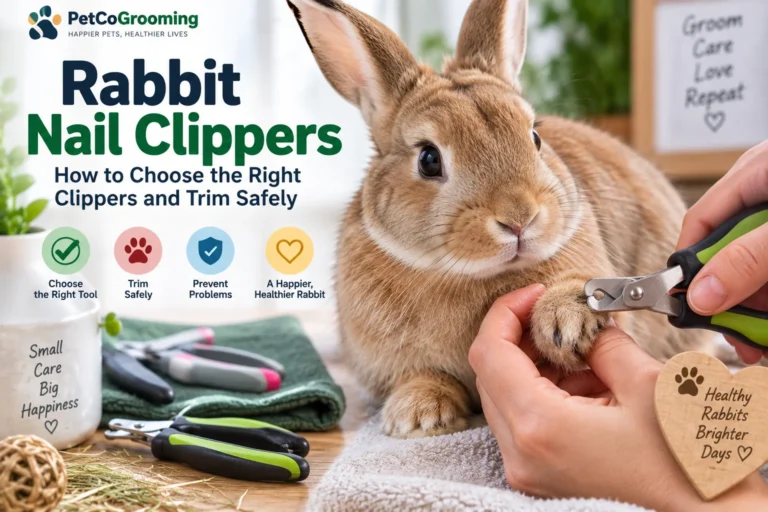
In this guide Choose suitable clippers Identify the quick Safe trimming steps Dark-nail precautions If a nail bleeds When to ask your vet Common questions The best rabbit nail clippers are small, sharp, easy to control, and shaped for a rabbit’s tiny, rounded nails. For most pet rabbits, a compact scissor-style small-animal clipper is a…
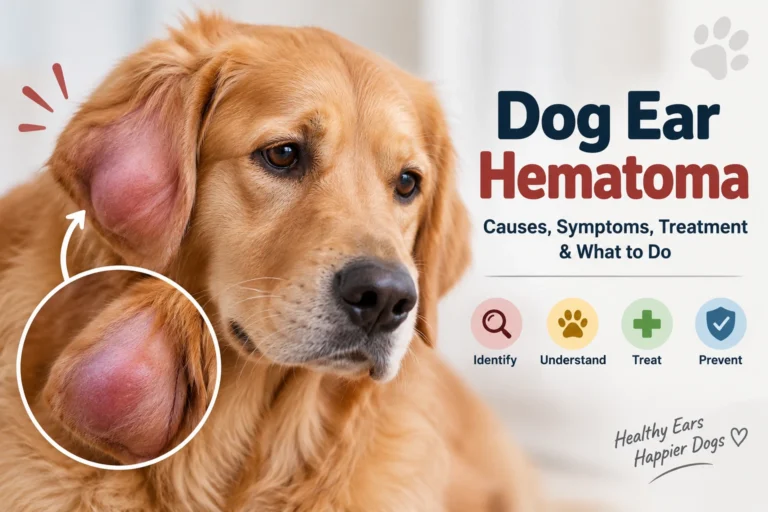
In this guide Recognize the swelling Urgent warning signs What to do next Veterinary treatment Possible causes Common questions A dog ear hematoma is a pocket of blood that forms inside the ear flap, usually after small blood vessels break. It can make part or all of the ear flap look swollen, thick, soft, or…

In this guide Everyday care essentials Coat and brushing Bathing when needed Daily dental care Careful ear checks A manageable schedule When to call your vet Dog hygiene is about much more than making your dog smell fresh. A good hygiene routine helps you keep track of your dog’s coat, skin, ears, teeth, nails, eyes,…
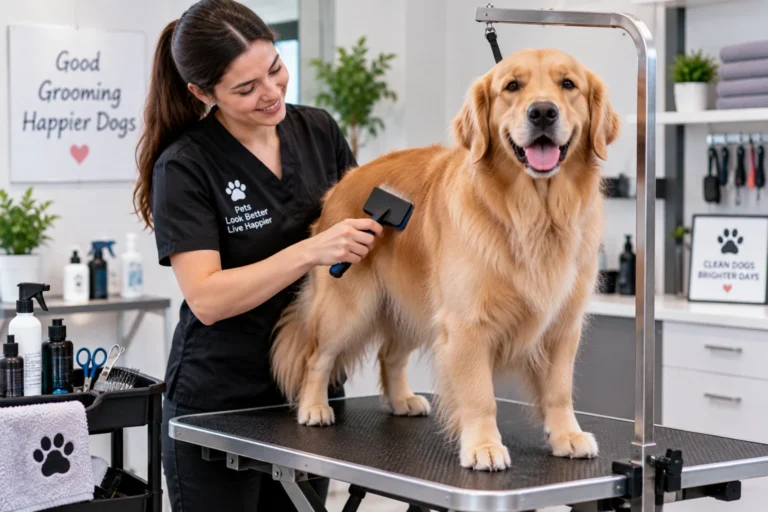
A dog grooming table can make brushing, nail trimming, bathing preparation, clipping, and routine coat care much easier—but the right table depends heavily on your dog’s size, temperament, your available space, and how often you plan to groom. The biggest mistake is choosing a table based only on price or appearance. A good grooming table…
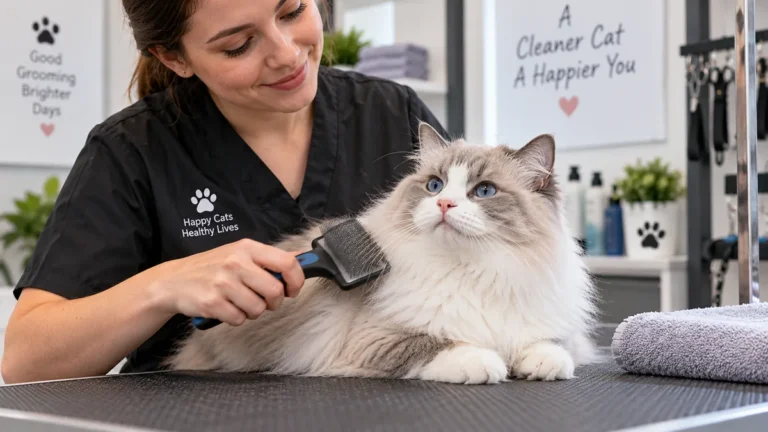
Finding a good cat groomer can make a big difference when your cat’s coat becomes difficult to manage, nails need trimming, or grooming at home turns into a stressful battle. Unlike dogs, many cats handle much of their own basic grooming. But that doesn’t mean every cat can—or should—be groomed entirely at home. Long-haired cats…

If you can see fleas on your dog, a flea shampoo can help remove or kill fleas that are on the coat during the bath—but it usually should not be treated as your dog’s entire flea-control plan. The right product depends on your dog’s age, weight, skin condition, and the exact active ingredients on the…

The best dog nail clippers are the ones that match your dog’s nail thickness, size, and your comfort level—not necessarily the most expensive pair. For many owners, a sharp scissor/plier-style clipper with a comfortable grip and controlled cutting action is the easiest place to start. Dogs with thick or overgrown nails may need a stronger clipper, while…
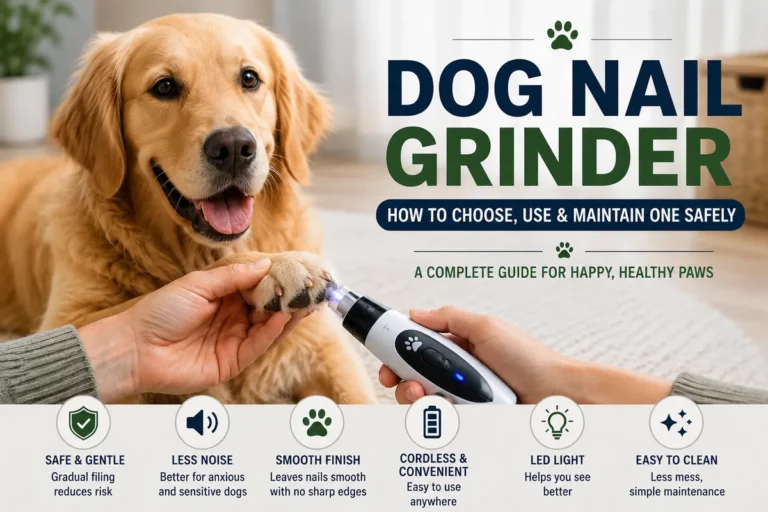
A dog nail grinder is a powered grooming tool that gradually files down a dog’s nails instead of cutting through them in one motion. When used carefully, it can create smoother nail edges and give you more control over how much nail you remove at a time. The key is not speed—it is patience. Short…
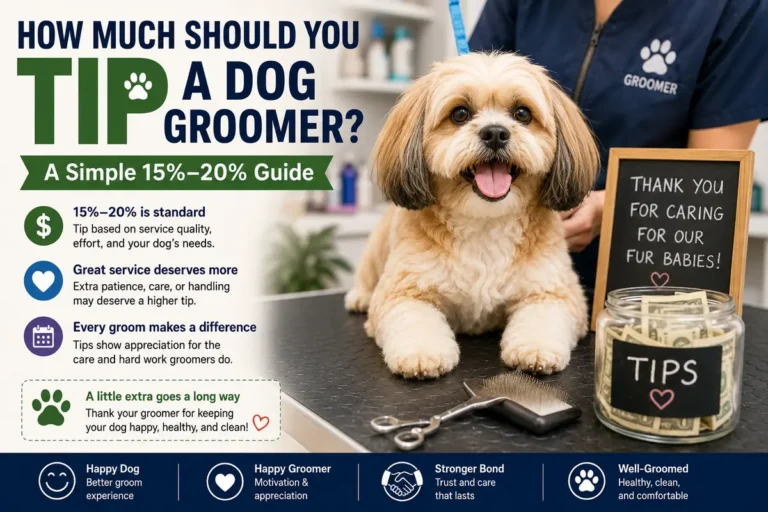
For most dog grooming appointments in the United States, a 15%–20% tip is a reasonable starting point. A straightforward groom may fall closer to 15%, while excellent service or extra work with a nervous, heavily coated, or difficult-to-handle dog may justify tipping closer to 20% or more. How much to tip a dog groomer? Tipping is…
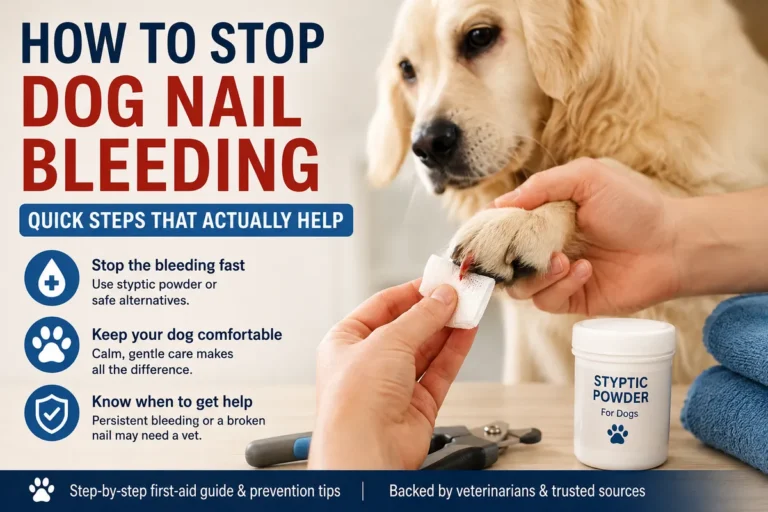
If you accidentally cut your dog’s nail too short, the fastest way to stop the bleeding is to apply a styptic product directly to the nail tip. If you don’t have one available, cornstarch or flour may help with a minor nail-trimming accident. A small cut into the quick can look dramatic because the quick…
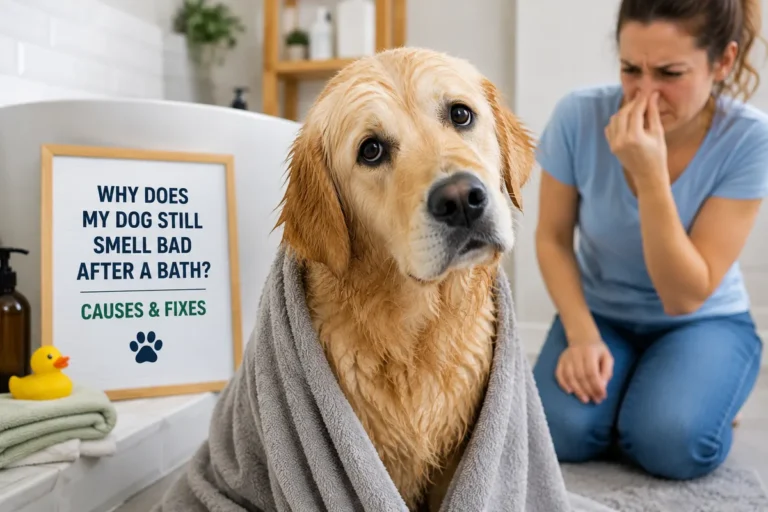
If your dog still smells bad after a bath, the problem may not be dirt on the coat. A persistent or quickly returning odor can come from damp fur, the ears, skin, mouth, anal sacs, or an underlying skin condition that shampoo alone cannot fix. A bath should leave your dog smelling cleaner—not exactly perfume-fresh,…

If your dog starts itching after grooming, the most likely explanations include skin irritation from close clipping, grooming products, or the bathing process—but itching can also reveal an allergy, infection, parasite problem, or another skin condition. The important clues are when the itching started, where it is happening, and whether your dog’s skin is becoming…

Petco grooming prices currently start at $24 for a dog bath and $46 for a bath with a haircut, but the final price depends on your dog’s size, coat, hair length, location, and service selected. For smaller dogs, published starting prices are lower, while a bath and haircut for a 100+ pound dog starts at…
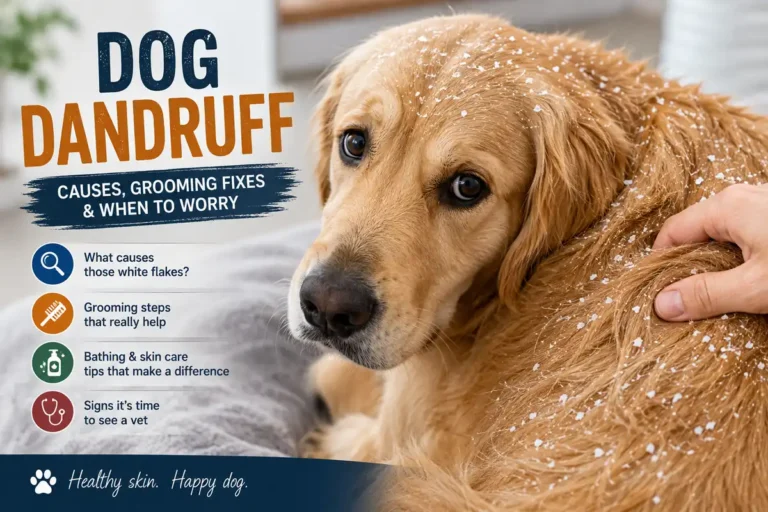
Dog dandruff usually appears as visible white or gray flakes on the coat, but the flakes are a symptom—not a diagnosis. Mild flaking can happen with dry skin or environmental changes, while persistent dandruff, itching, odor, redness, hair loss, or greasy skin can point to allergies, parasites, infection, seborrhea, or another underlying problem. If you’ve…
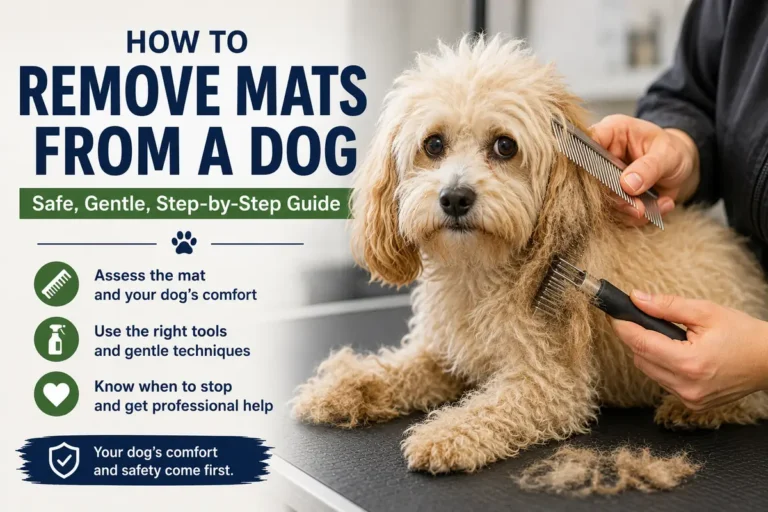
To remove mats from a dog safely, first determine how tight and close to the skin the mat is, then work gently from the outer edges with appropriate grooming tools. Small, loose mats may sometimes be loosened at home, but tight, extensive, painful, or skin-level mats are safer to have removed by an experienced professional…

Dog grooming for anxious dogs works best when grooming is introduced gradually, handled gently, and broken into short, positive sessions rather than forcing a full grooming session at once. The goal is to help your dog build a positive association with brushing, bathing, nail trimming, clippers, handling, and the grooming environment while staying below the…
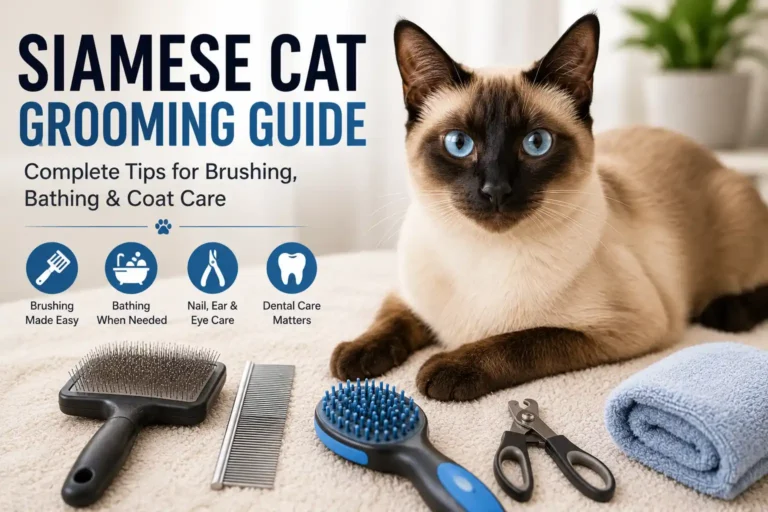
Siamese cat grooming is relatively simple because Siamese cats have a short, fine, glossy coat that lies close to the body and generally needs only light, regular maintenance. For most Siamese cats, weekly brushing or combing is enough to remove loose hair, while routine nail, ear, eye, and dental care should be handled separately as…
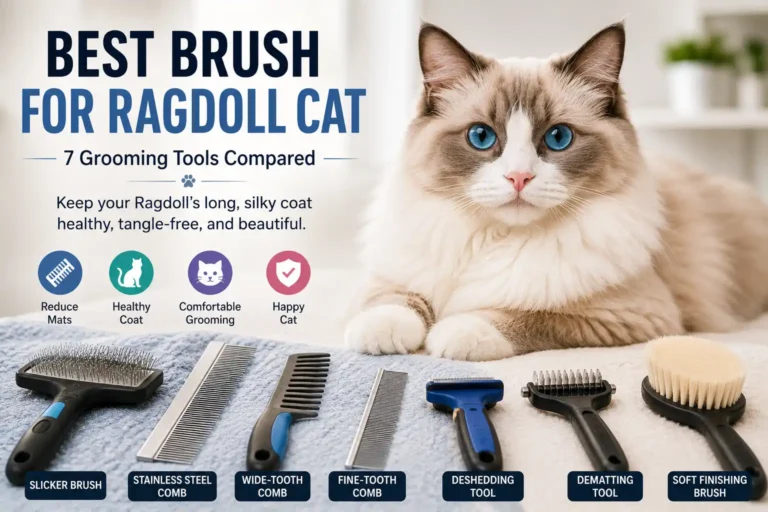
The best brush for a Ragdoll cat is usually a quality stainless-steel comb, often paired with a gentle slicker brush for everyday coat maintenance and light tangles. Because Ragdolls have a moderately long, silky coat, the goal is to reach through the fur without scratching the skin, pulling painfully on tangles, or unnecessarily stripping the…
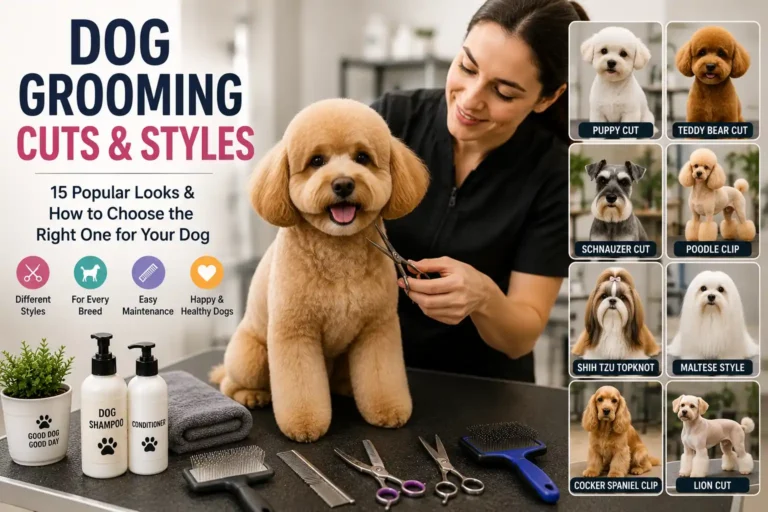
The best dog grooming cuts and styles depend on your dog’s coat type, breed, lifestyle, and how much daily maintenance you can realistically manage. Popular options include puppy cuts, teddy bear cuts, kennel cuts, breed-specific trims, and longer styles, but the right choice should always prioritize your dog’s comfort, coat health, and practical needs. Choosing…

You can groom your dog at home by regularly brushing the coat, bathing when needed, trimming nails, and keeping the ears, eyes, teeth, and paws clean. The safest routine depends on your dog’s coat type, grooming experience, and comfort level, while complicated haircuts, severe mats, or health problems are better handled by a professional groomer…
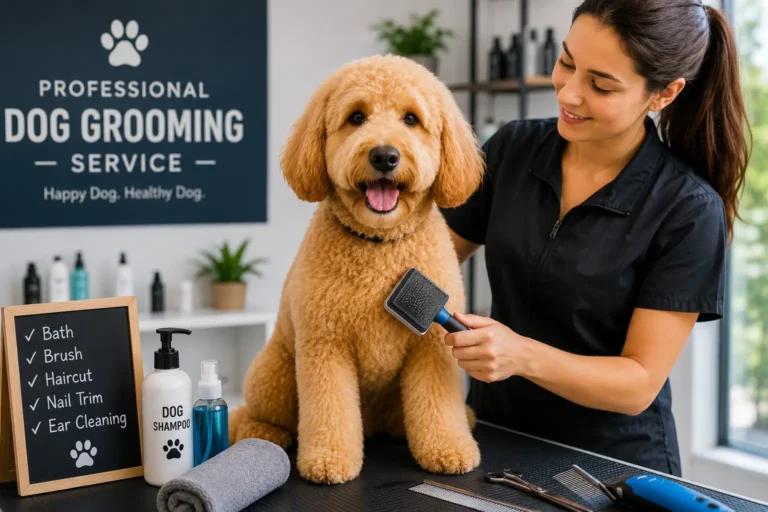
A dog grooming service typically includes professional brushing, bathing, drying, coat trimming or clipping, nail care, and basic ear and hygiene care, depending on the groomer and package. The right service depends on your dog’s coat, size, lifestyle, grooming needs, and temperament. For dogs with heavy matting, complicated coats, anxiety, or grooming challenges, professional care…
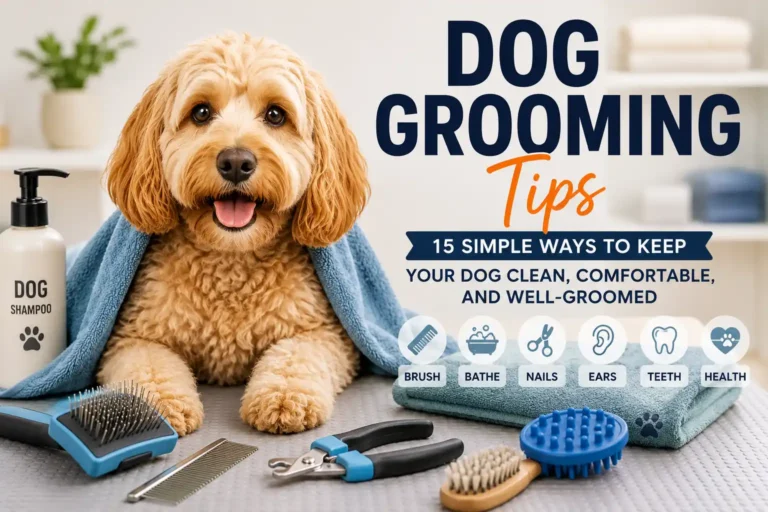
Dog grooming tips can help you keep your pet’s coat, nails, skin, ears, and teeth in better condition between professional appointments. The most effective routine is not about grooming more often—it is about using the right tools, following a consistent schedule, and adjusting care to your dog’s coat, lifestyle, and comfort level. Regular grooming can…
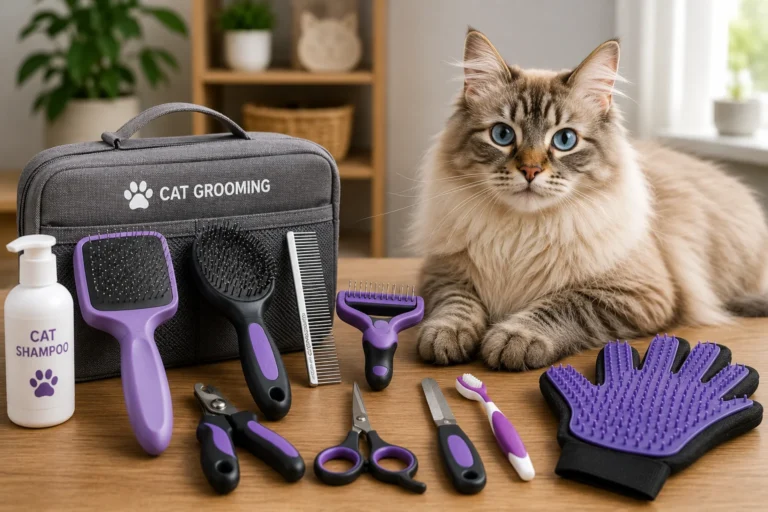
The best cat grooming tools depend on your cat’s coat length, shedding level, grooming tolerance, and specific needs. For most cats, a suitable brush or comb and cat-sized nail clippers are the starting essentials; long-haired or heavily shedding cats may also benefit from a metal comb, deshedding tool, or carefully selected dematting tool. The goal…

The best pet grooming tools for dogs depend on your dog’s coat, size, grooming needs, and comfort with handling. For most owners, the essentials include a suitable brush or comb, dog nail clippers or a grinder, dog-safe shampoo, a towel or dryer, and basic dental-care tools; long-haired or heavily shedding dogs may need additional equipment….
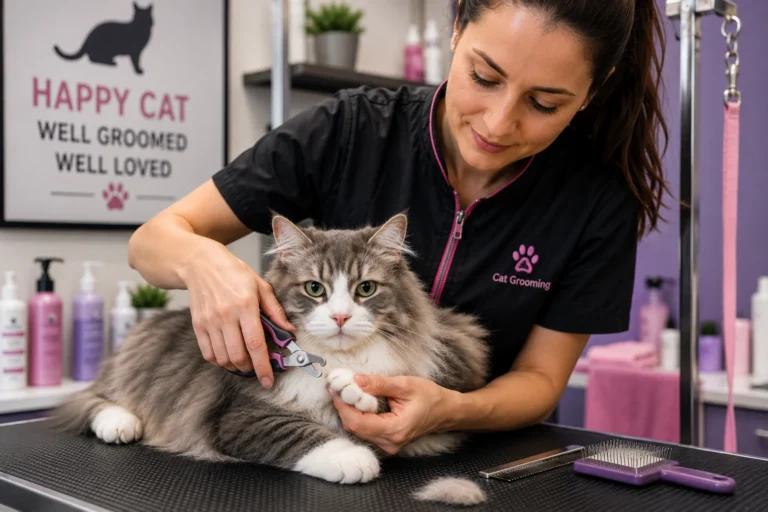
If you’re searching for cat grooming near me, the best local groomer should offer more than a quick haircut or nail trim. Look for a cat-experienced professional who can safely handle your cat, explain exactly what the appointment includes, recognize when a coat problem needs veterinary attention, and tailor grooming to your cat’s coat, age,…
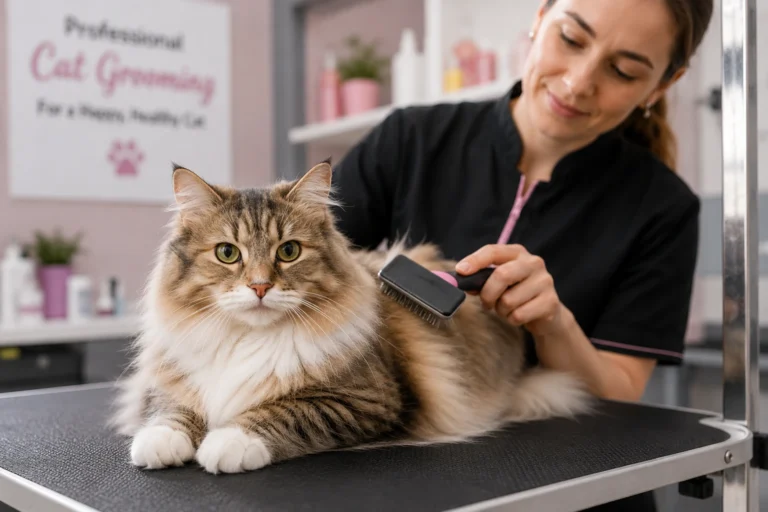
If you’re looking for cat grooming services, a professional groomer can help with coat care, brushing, bathing when needed, nail trimming, and difficult mats that are unsafe to handle at home. The best service depends on your cat’s coat, lifestyle, temperament, and grooming needs. For cats that become highly stressed or may injure themselves or…

How often should I bathe my dog? For most healthy dogs, bathing about once a month or as needed is a reasonable starting point, but there is no one schedule that fits every dog. Your dog’s coat type, age, activity level, lifestyle, and skin health all affect how often a bath is appropriate. A dog…
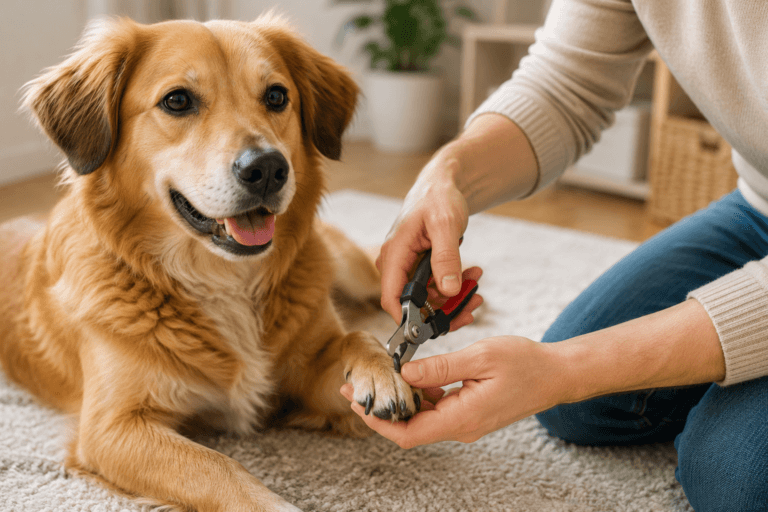
Learning how to trim dog nails safely starts with using the right dog nail clippers or grinder, keeping your dog calm, trimming only small amounts at a time, and avoiding the quick—the sensitive part of the nail containing blood vessels and nerves. If your dog becomes highly stressed or you are unsure where to cut,…

The best way to bathe a dog is to brush the coat first, prepare all supplies, use lukewarm water and a dog-specific shampoo, rinse thoroughly, and dry the coat completely while keeping your dog calm and comfortable. How often a dog needs a bath depends on factors such as coat type, lifestyle, outdoor activity, skin…

The best way to brush a dog is to choose a brush that matches the coat, work in small sections with gentle strokes, check for tangles, and stop if your dog shows signs of pain or significant distress. Brushing frequency also depends on coat type: short coats may need less frequent maintenance, while long, curly,…
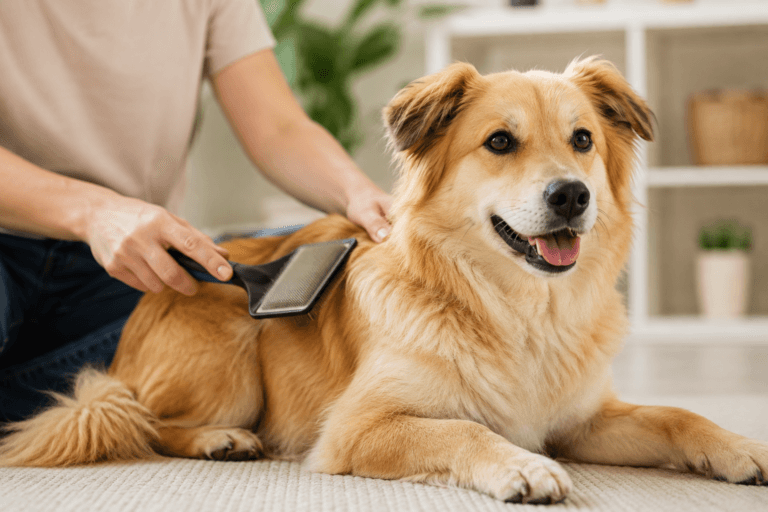
A good dog grooming schedule depends on your dog’s coat type, lifestyle, grooming style, and individual needs. Some dogs need frequent brushing and professional grooming, while others can go longer between appointments. Grooming is about more than keeping your dog looking clean. A consistent routine can help manage loose hair and tangles, maintain nails, keep…