Dog Hygiene: A Complete Everyday Care Routine for a Clean, Healthy Dog
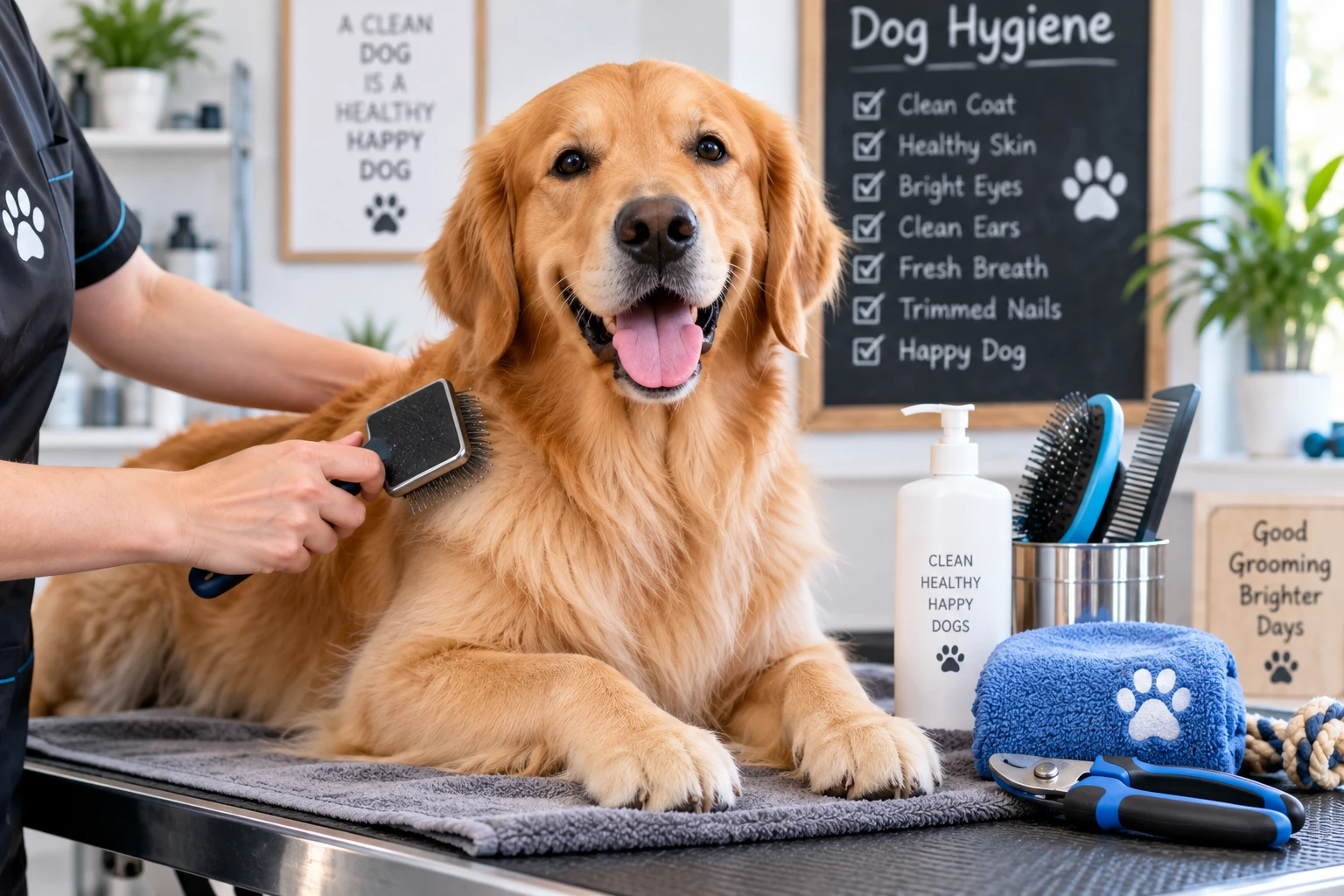
Dog hygiene is about much more than making your dog smell fresh. A good hygiene routine helps you keep track of your dog’s coat, skin, ears, teeth, nails, eyes, and paws while giving you an opportunity to notice changes before they become bigger problems.
The good news is that you don’t need an elaborate grooming routine. What matters most is consistent, appropriate care based on your dog’s coat, lifestyle, age, and individual needs.
The American Kennel Club (AKC) notes that regular grooming is part of maintaining a dog’s health, while veterinary guidance from VCA emphasizes routine care such as dental hygiene, nail care, and appropriate handling from an early age.
What Does Dog Hygiene Include?
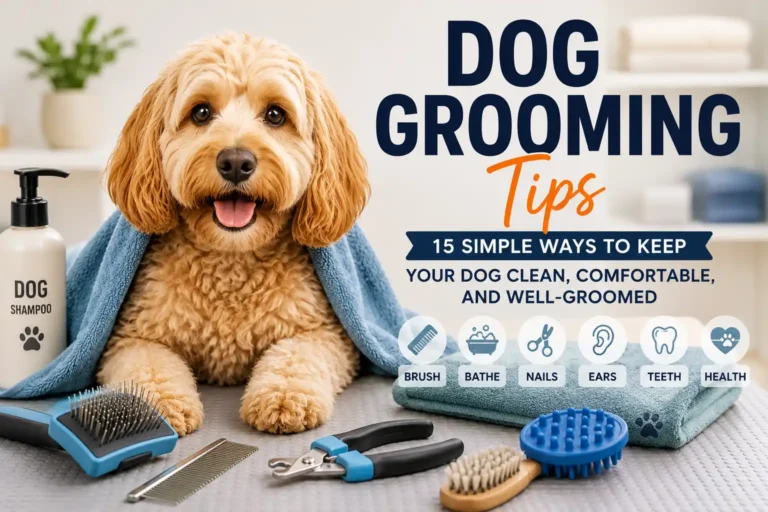
A complete dog hygiene routine usually includes:
- Brushing the coat
- Bathing when necessary
- Cleaning and checking the ears
- Brushing the teeth
- Trimming the nails
- Checking the eyes and face
- Keeping paws clean
- Checking the skin for unusual changes
- Washing or cleaning frequently used bedding and grooming equipment
The exact routine isn’t identical for every dog. A long-haired dog may need much more frequent brushing than a short-haired dog, while a dog prone to ear problems may need more attention to its ears.
The goal isn’t to clean your dog as often as possible. The goal is to provide the right care at the right frequency.
How Often Should You Groom Your Dog?
There isn’t one universal grooming schedule for every dog.
Your dog’s breed, coat type, activity level, environment, age, and skin condition all affect how frequently different hygiene tasks should be performed.
For example, the AKC explains that some long-coated dogs may need daily brushing, while many short-coated dogs can be brushed weekly or every few weeks. Bathing frequency also varies, and overbathing can dry the skin and coat.
A useful approach is to separate hygiene into daily checks, regular maintenance, and occasional grooming.
Daily Hygiene Checks
You don’t necessarily need to perform a full grooming session every day.
Instead, take a few seconds to look at your dog.
Check for:
- Dirt around the eyes
- Something stuck between the paw pads
- Unusual odor
- Excessive scratching
- Visible skin irritation
- Changes around the mouth
- Debris on the coat
These quick checks help you become familiar with what is normal for your dog.
Brush Your Dog’s Coat Regularly
Brushing is one of the simplest parts of dog hygiene, but the correct technique depends on the coat.
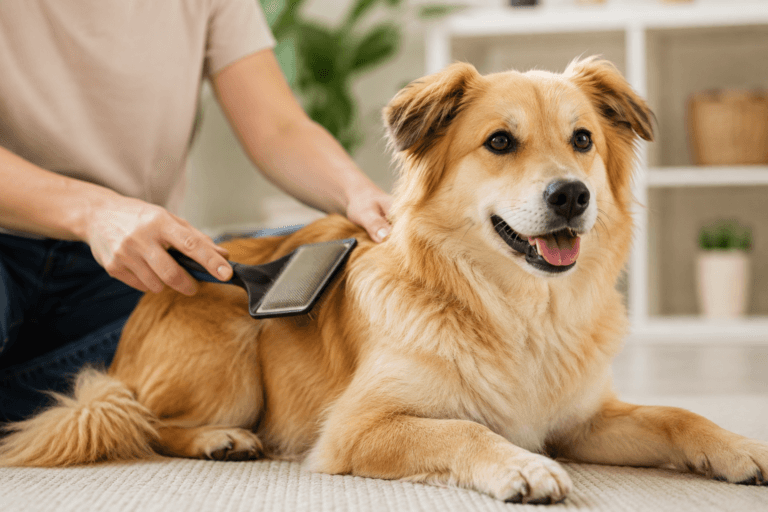
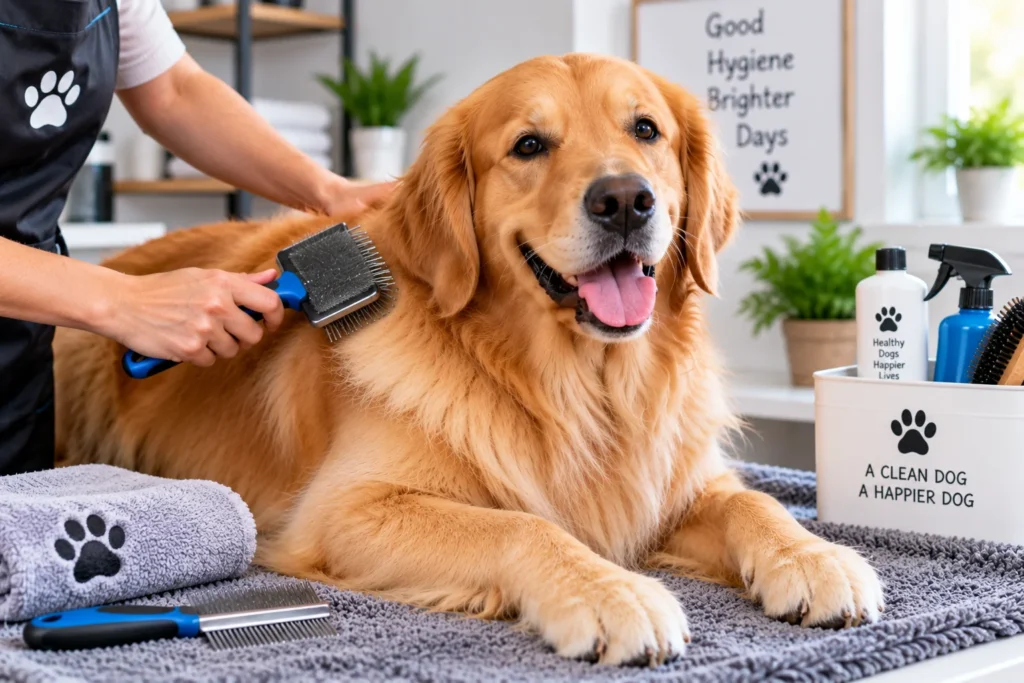
Regular brushing can remove loose hair, dirt, and debris while helping you notice mats, skin changes, or parasites.
Long or dense coats generally require more frequent brushing than short coats. Double-coated dogs also need brushing appropriate to their coat structure rather than aggressive brushing down into the skin. The AKC recommends choosing the brush according to the dog’s coat type and brushing appropriately.
Why Brushing Matters
Regular brushing can:
- Reduce loose hair around the home
- Help prevent some mats and tangles
- Remove surface debris
- Keep the coat looking healthier
- Give you an opportunity to inspect the skin
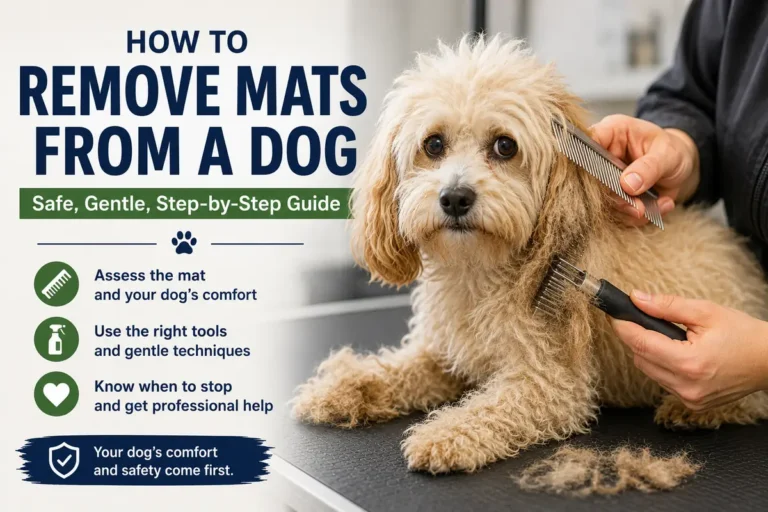
Don’t force a brush through a severe mat.
If the coat is heavily matted or brushing causes your dog pain, professional grooming may be the safer option.
Bathe Your Dog When They Actually Need It
A clean-smelling dog isn’t necessarily a dog that needs another bath.
Bathing too frequently can remove natural oils and contribute to dry or irritated skin. The appropriate schedule depends on your dog’s coat, lifestyle, environment, and individual needs.
When bathing:
- Brush the coat first when appropriate.
- Use comfortably warm water rather than hot water.
- Keep shampoo away from the eyes and sensitive areas.
- Rinse thoroughly.
- Dry your dog properly afterward.
The AKC specifically recommends dog-formulated shampoo rather than relying on human or dish soap. Human products can have different formulations and may irritate canine skin.
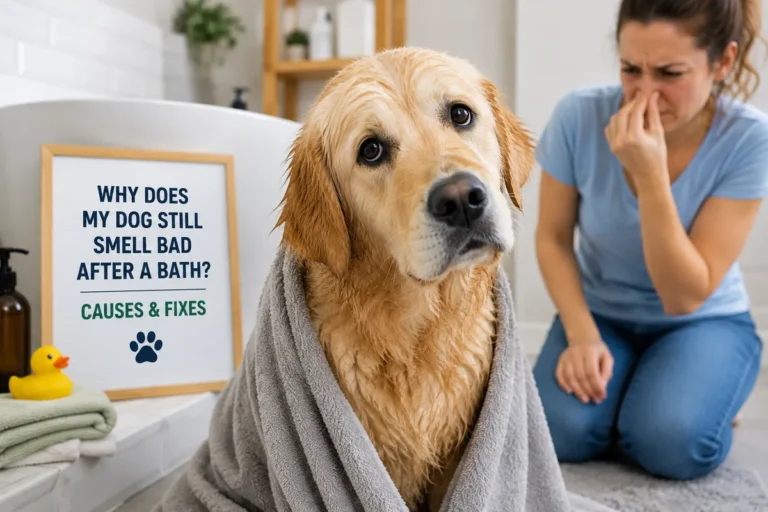
Don’t Turn Every Smell Into a Bath
If your dog suddenly develops a persistent or unusual odor despite normal grooming, don’t simply keep bathing them.
A persistent odor can sometimes accompany a skin, ear, or other health problem. If something seems abnormal, your veterinarian can help determine the cause.
Keep Your Dog’s Teeth Clean
Dental hygiene deserves a permanent place in your dog’s routine.
Ideally, dogs should have their teeth brushed regularly, with daily brushing providing the greatest benefit. Use a toothbrush and toothpaste made for dogs, not human toothpaste.
Human toothpaste can contain ingredients that are unsafe for dogs, including xylitol in some formulations.
Watch for Dental Warning Signs
Pay attention to:
- Persistent bad breath
- Red or swollen gums
- Visible tartar
- Bleeding
- Loose or broken teeth
- Difficulty chewing
- Unusual drooling
- Changes in eating behavior
These aren’t simply hygiene issues to solve with more brushing. They can warrant a veterinary examination.
Check and Clean Your Dog’s Ears Carefully
Ear hygiene is another area where more cleaning isn’t always better.
Some dogs need regular ear cleaning, while healthy dogs may require very little routine cleaning. VCA specifically warns that over-cleaning can irritate the ear canal.
During a routine check, look for:
- Redness
- Excessive wax
- Discharge
- Swelling
- Strong or unusual odor
- Frequent head shaking
- Persistent scratching
If the ear is painful, inflamed, or obviously abnormal, speak with your veterinarian before attempting to clean it.
VCA also recommends avoiding cotton-tipped applicators such as Q-tips because they can injure the ear canal or push debris deeper.
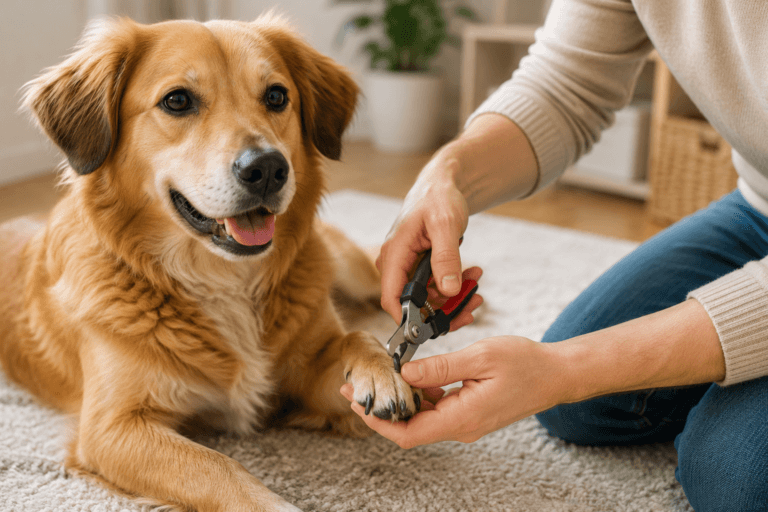
Keep Your Dog’s Nails at a Comfortable Length
Long nails can affect how a dog stands and walks and can become uncomfortable.
Check the nails regularly rather than waiting until they become obviously overgrown.
A simple clue is sound: the AKC notes that if you can hear your dog’s nails clicking on a hard surface, they may need trimming.
If you’re inexperienced with nail trimming, ask your veterinarian or professional groomer to demonstrate the correct technique.
For dogs that dislike clippers, a gradual introduction to nail handling and grooming tools can make future sessions much easier.
Don’t Forget the Paws
Your dog’s paws come into contact with almost everything they walk across.
After outdoor activities, particularly in muddy, wet, or dirty conditions, check the paws for:
- Mud
- Dirt
- Small stones
- Plant material
- Irritation
- Cracked or damaged pads
- Debris between the toes
A quick wipe can sometimes be all that’s needed.
If your dog repeatedly licks one paw, limps, or appears uncomfortable, don’t assume it is simply a hygiene problem.
Keep the Face and Eyes Clean
Some dogs naturally develop small amounts of eye discharge.
A gentle inspection during your normal routine can help you notice changes.
The AKC recommends gently wiping normal buildup with a warm, damp cloth, while unusual discharge, redness, excessive tearing, or discharge affecting only one eye should receive veterinary attention.
Don’t use random household cleaning products around your dog’s eyes.
When in doubt, keep facial care simple and gentle.
Dog Hygiene and Skin Checks Go Together
Grooming isn’t just about removing dirt.
Every brushing or bathing session gives you a chance to notice something that wasn’t there before.
Look for:
- New lumps or bumps
- Redness
- Bald patches
- Excessive flaking
- Persistent itching
- Sores
- Parasites
- Changes in skin odor
The AKC’s skincare guidance emphasizes that grooming routines should be adapted to the individual dog’s coat, breed, and health condition.
If you notice a persistent or concerning change, don’t repeatedly treat it as a grooming problem without finding out what is causing it.
A Simple Dog Hygiene Schedule
You can keep the routine manageable with a basic schedule.

| Task | General approach |
| Quick body check | Daily |
| Eye/face check | Daily or as needed |
| Brushing | Based on coat type |
| Teeth brushing | Ideally daily |
| Ear inspection | Regularly; cleaning only when appropriate |
| Nail check | Regularly |
| Bathing | When needed for the individual dog |
| Paw check | After dirty or unusual outdoor activity |
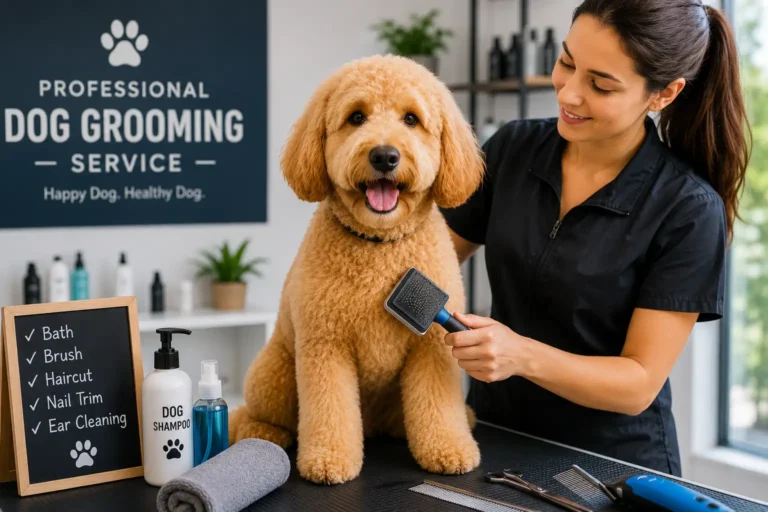
| Professional grooming | Based on coat and grooming needs |
These are starting points, not rigid medical rules. Dogs differ considerably, so your veterinarian or professional groomer may recommend a different routine.
Build a Simple Dog Hygiene Routine
Choose a few details about your dog to get a practical starting checklist. Individual dogs may need different grooming schedules.
Your Starting Hygiene Checklist
How to Make Dog Hygiene Easier
The easiest hygiene routine is the one you can consistently maintain.
Instead of trying to perform everything at once, break grooming into smaller sessions.
For example:
Monday: Brush and quick skin check
Tuesday: Teeth
Wednesday: Paw and nail check
Thursday: Brush
Friday: Teeth and ear inspection
Weekend: Bath if needed
This approach can make grooming less overwhelming for both you and your dog.
The AKC also emphasizes the value of predictable grooming routines because regular handling can help dogs become more comfortable with grooming.
Make Grooming Positive
Reward calm behavior.
Keep sessions short when your dog is learning.
Don’t turn every grooming session into a battle.
For puppies especially, gradually getting them comfortable with having their paws, ears, mouth, and body handled can make future grooming and veterinary care easier. VCA recommends early, gentle handling as part of preparing puppies for lifelong hygiene and care.
When Dog Hygiene Problems Need a Veterinarian
One of the biggest mistakes owners can make is trying to solve every unusual symptom with grooming products.
Contact your veterinarian when you notice things such as:
- Persistent bad odor
- Pain during grooming
- Red or swollen ears
- Repeated head shaking
- Significant skin irritation
- Unusual eye discharge
- Bleeding gums
- Difficulty eating
- Severe matting that causes discomfort
- Persistent itching
- Sudden changes in normal behavior
For example, VCA notes that red, inflamed, or painful ears should be evaluated before attempting routine ear cleaning.
Hygiene is preventive care—not a substitute for veterinary diagnosis.
The Bottom Line on Dog Hygiene
Good dog hygiene doesn’t mean giving your dog a bath every few days or buying every grooming product on the shelf.
It means building a consistent routine around the things your individual dog actually needs:
clean coat + healthy skin + cared-for teeth + appropriate ear care + comfortable nails + clean paws + regular observation.
The most valuable habit may be the simplest one: pay attention to what is normal for your dog.
When you know how your dog’s coat, ears, teeth, paws, skin, and behavior normally look, changes become much easier to notice.
And when something looks abnormal, don’t keep adding grooming products and hope it disappears. Get the right professional advice.
That combination—consistent home hygiene, gentle handling, appropriate grooming, and timely veterinary care—is what turns dog grooming from a cosmetic chore into meaningful everyday care.
Frequently Asked Questions
How often should I bathe my dog?
There is no single schedule that works for every dog. Bathing needs depend on factors such as coat type, activity level, environment, and skin condition. Overbathing can dry or irritate the skin.
How often should I brush my dog’s teeth?
Daily brushing is ideal when your dog can tolerate it. Use toothpaste specifically made for dogs, never human toothpaste.
How often should I clean my dog’s ears?
It depends on the individual dog. Some dogs need periodic cleaning, while others with healthy ears may need very little. Over-cleaning can cause irritation.
Can I use human shampoo on my dog?
It’s better to use a shampoo formulated specifically for dogs. Human shampoos have different formulations and can irritate canine skin with repeated use.
What is the most important part of dog hygiene?
There isn’t one single task. A balanced routine covering the coat, teeth, ears, nails, paws, skin, and general condition is more useful than focusing on just one area.