
How Often Should I Bathe My Dog? Find the Right Bathing Schedule
How often should I bathe my dog? For most healthy dogs, bathing about once a month or as needed is a reasonable starting point, but there is no one schedule that fits every dog. Your dog’s coat type, age, activity level, lifestyle, and skin health all affect how often a bath is appropriate. A dog that regularly swims, hikes, plays in mud, or develops noticeable odor may need a bath sooner, while some dogs can go longer between baths. Dogs with allergies or other skin conditions may need a veterinarian-recommended bathing schedule and specialized shampoo.
The key is to avoid treating one number as a rule for every dog. A good bathing routine keeps your dog’s coat clean without unnecessarily irritating the skin.
How Often Should I Bathe My Dog?
For most healthy dogs, about every four weeks is a practical starting point. That does not mean every dog needs a bath exactly every 28 days. Current 2026 guidance recommends adjusting the frequency according to the individual dog’s coat, lifestyle, activity, and skin condition.
Use this as a starting guide:
| Dog’s situation | Starting point |
|---|---|
| Mostly indoor, healthy short coat | Every 6–8 weeks or as needed |
| Typical healthy dog | About every 4 weeks |
| Active or outdoor dog | More often when dirty |
| Long or high-maintenance coat | Based on coat-care needs |
| Dog with skin disease | Follow your veterinarian’s plan |
| Muddy, smelly, or contaminated coat | Bathe when needed |
These are starting ranges, not universal prescriptions. Your dog’s coat and skin should determine whether the schedule needs to move earlier or later.
What Determines How Often You Should Bathe a Dog?
Coat Type
Your dog’s coat affects how quickly dirt, oil, debris, and moisture build up.
Short coats can often remain manageable between baths, while longer or higher-maintenance coats may need more frequent grooming. But coat length alone does not determine bathing frequency. Texture, density, brushing routine, lifestyle, and skin health all matter.
Activity Level
An active dog may need bathing sooner than a dog that spends most of the day indoors.
Hiking, swimming, running through muddy areas, digging, and outdoor play can all increase the amount of dirt that reaches the coat. If your dog comes home visibly dirty or rolls in something unpleasant, there is no reason to wait for the next scheduled bath.
Skin Health
Skin health can change the entire bathing plan.
Dogs with allergies, infections, excessive itching, or other dermatological problems may need specialized shampoos and a veterinarian-directed schedule. Do not assume that a general monthly routine is appropriate for a dog receiving treatment.
How Often Should I Bathe My Dog Based on Coat?
Short-Haired Dogs
Short-haired dogs often need fewer full baths when they stay clean and healthy.
A mostly indoor short-haired dog may comfortably go longer between baths, while an active dog may need one sooner. Regular brushing and occasional spot cleaning can help maintain the coat between full baths.
Long-Haired Dogs
Long-haired dogs can collect more dirt and debris and may require more consistent grooming between baths.
Brushing is especially important because tangled or matted hair can make bathing more difficult. Do not assume that simply bathing a long-haired dog more frequently will solve coat problems.
Double-Coated Dogs
Double-coated breeds need thoughtful grooming rather than simply more baths.
Regular brushing can be particularly important for removing loose undercoat and debris. If you have a double-coated breed, focus on maintaining the coat between baths rather than automatically increasing bathing frequency.
For a broader maintenance plan, see our dog grooming schedule guide.
How Often Should I Bathe My Dog in Summer?
Summer does not automatically mean your dog needs weekly baths.
Instead, consider what your dog is actually doing. More outdoor activity, swimming, mud, dust, and heat-related skin or coat problems can change the routine.
If your dog swims regularly, check the coat afterward and follow an appropriate cleaning routine. If the dog remains clean and comfortable, there is no need to increase full baths simply because it is summer.
How Often Should I Bathe My Dog in Winter?
Winter can allow some dogs to go longer between baths, particularly if they spend most of their time indoors.
However, dirty fur still needs cleaning. If your dog comes inside covered in mud or debris, clean the coat rather than waiting for the calendar.
After bathing, dry your dog thoroughly and keep them comfortable until the coat is completely dry.
Can I Bathe My Dog Every Week?
Some dogs can tolerate weekly bathing, but weekly baths are not necessary for every dog.
The answer depends on the shampoo, the dog’s skin and coat, and why the baths are needed. Veterinary treatment plans can sometimes involve frequent bathing, but routine grooming should be individualized.
If your dog needs a bath every week simply because of persistent odor, itching, greasy skin, or another recurring problem, it may be better to find the underlying cause rather than continually increasing bath frequency.
Can You Bathe a Dog Too Often?
Yes.
Repeated unnecessary bathing can contribute to dry or irritated skin, especially when inappropriate products are used. Current guidance specifically warns that over-bathing can affect the skin and coat.
Watch for:
- Dry or flaky skin
- Increased scratching
- Redness
- Irritation
- Changes in coat texture
- Persistent discomfort
If these signs continue, speak with your veterinarian rather than simply reducing or increasing baths on your own.
What Shampoo Should I Use for My Dog?
Use a shampoo formulated specifically for dogs.
Human shampoo, including products marketed for babies, is not automatically appropriate for canine skin. Veterinary-reviewed guidance notes that human products can have a different pH and may contribute to dryness or irritation.
If your dog has sensitive skin, allergies, excessive itching, or another diagnosed condition, ask your veterinarian which product is appropriate.
The right product matters just as much as choosing the right bathing schedule.
Does Brushing Reduce the Need for Baths?
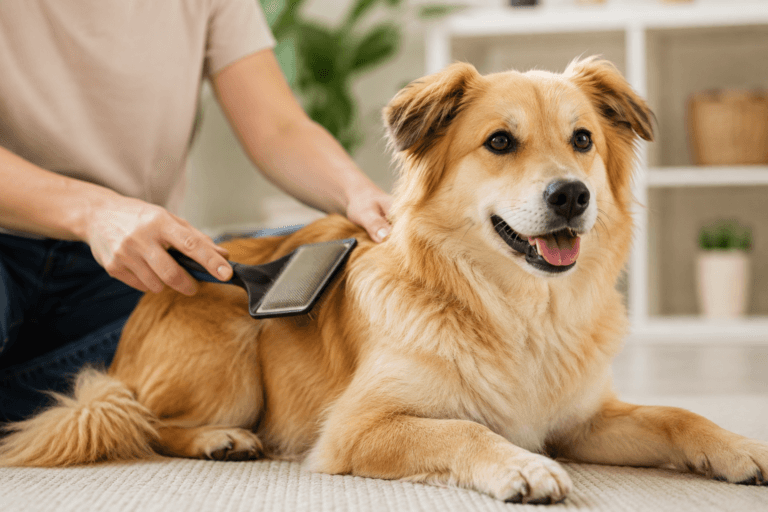
Regular brushing can help keep the coat cleaner between baths by removing loose hair, dirt, and debris.
It also gives you an opportunity to notice tangles, mats, skin changes, or unusual areas before they become bigger grooming problems.
Most importantly, brush before bathing when the coat is tangled. Water can make existing mats tighter and harder to remove.
If you’re building a complete home routine, follow our guide on how to brush a dog properly.
And when bath day arrives, our step-by-step guide on how to bathe a dog can help you prepare.
A Simple Dog Bathing Schedule You Can Actually Follow
Instead of putting every dog on the same calendar, use this five-step routine:
1. Check the Coat
Look for dirt, grease, debris, mats, and unusual odor.
2. Consider Recent Activities
Has your dog been swimming, hiking, playing in mud, or spending more time outdoors?
3. Check the Skin
Look for redness, irritation, excessive scratching, or other changes.
4. Decide Whether a Full Bath Is Necessary
If your dog is clean and comfortable, you may not need to bathe them yet.
If the coat is dirty or smells unusually bad, it may be time.
5. Maintain the Coat Between Baths
Regular brushing and appropriate spot cleaning can help extend the time between full baths.
This flexible approach is more useful than blindly following a fixed four-week rule.
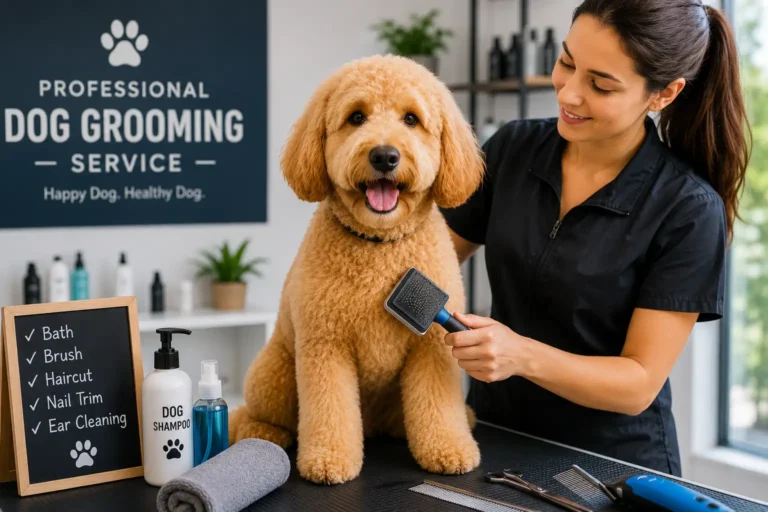
When Should a Dog Get Professional Grooming?
A home bath is not always the best solution.
Professional grooming can be particularly useful when your dog has a difficult coat, heavy shedding, significant tangles, or needs services beyond a basic bath.
A professional groomer can also help with coat maintenance, drying, brushing, and other routine grooming needs.
If your dog’s coat repeatedly becomes severely matted or difficult to maintain at home, professional grooming may be a better option than trying to solve the problem with increasingly frequent baths.
When Should You Ask a Veterinarian?
Bathing becomes a health question when your dog’s skin or coat changes significantly.
Contact your veterinarian if your dog has:
- Persistent itching
- Red or inflamed skin
- Repeated skin infections
- Significant hair loss
- Persistent unusual odor
- Severe dandruff or scaling
- Suspected allergies
- A need for frequent medicated baths
Dogs with medical skin conditions may need specific shampoos and schedules that are very different from ordinary grooming.
Frequently Asked Questions
How often should I bathe my dog if they are healthy?
For many healthy dogs, about once a month is a useful starting point, but the ideal schedule varies with coat, lifestyle, activity, and skin health.
Is it okay to bathe my dog once a week?
Some dogs may tolerate weekly bathing with an appropriate product, but it is not necessary for every dog. Frequent bathing for a medical condition should follow veterinary guidance.
How often should I bathe my dog with allergies?
There is no universal allergy-bathing schedule. Your veterinarian may recommend a specific medicated shampoo and frequency based on your dog’s condition.
How often should I bathe my dog in summer?
Keep the same basic approach: bathe when your dog becomes dirty or when their individual grooming needs call for it. Increased summer activity or swimming may mean more frequent baths.
How often should I bathe my dog in winter?
A clean indoor dog may need fewer baths in winter, but dirty coats should still be cleaned. Always dry your dog thoroughly after bathing.
Can I use human shampoo on my dog?
It is better to use a shampoo specifically formulated for dogs. Human products can have a different pH and may cause dryness or irritation.
The Bottom Line
How often should I bathe my dog? For most healthy dogs, about once a month is a sensible starting point—but the best schedule is the one that matches your dog’s coat, lifestyle, activity, and skin health. Some dogs can go longer, while active dogs or dogs with medical conditions may need a different routine.
The goal isn’t to make bath day happen on a perfect calendar date. The goal is a clean, comfortable coat and healthy skin.
If you’re unsure where to start, establish a simple routine, monitor your dog’s coat between baths, and adjust the schedule as your dog’s needs change.