Comfort-First Grooming for Senior Dogs: Practical Ways to Adapt Each Session
A practical comfort-first grooming guide for older dogs: prepare an accessible setup, prioritize manageable tasks, and communicate your dog’s needs to the groomer.
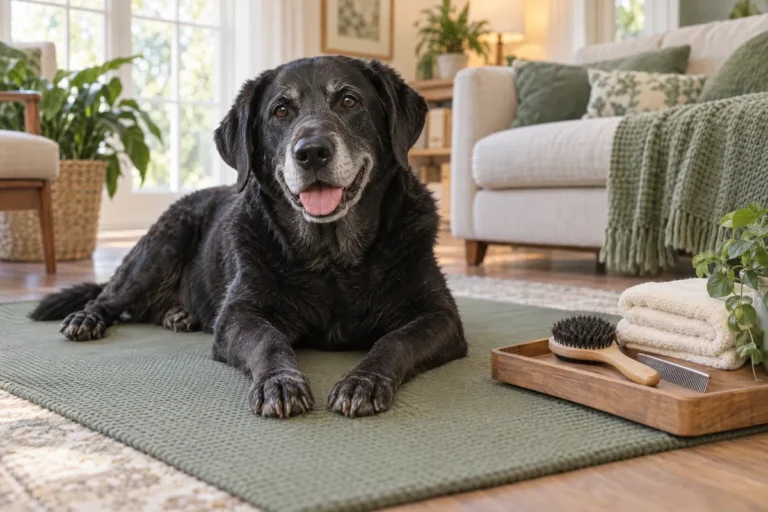
A practical comfort-first grooming guide for older dogs: prepare an accessible setup, prioritize manageable tasks, and communicate your dog’s needs to the groomer.
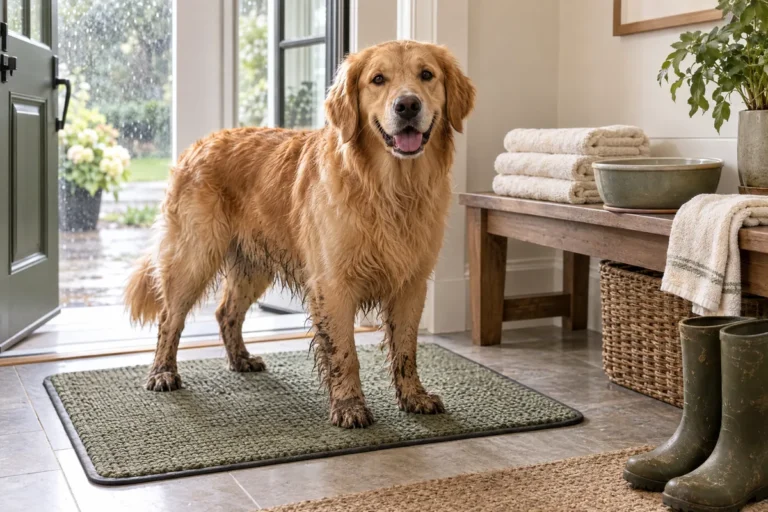
After-walk grooming · A proportionate cleanup The quickest way to clean a muddy dog is to check where the dirt actually is, then use the smallest amount of cleaning needed: wipe light paw smudges, rinse or wash packed mud from paws, and clean muddy legs, belly, or coat in small sections. Finish by drying the…
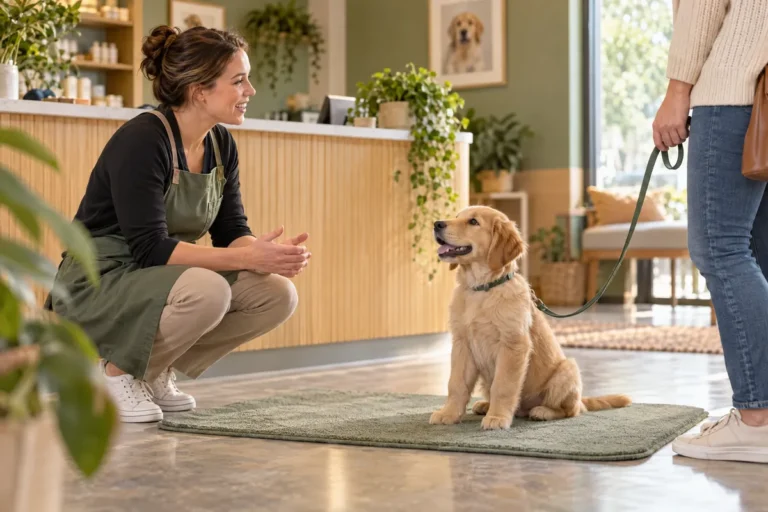
Your puppy’s first grooming visit does not have to include a full haircut. Learn how to check salon requirements, prepare for drop-off, and plan around your puppy’s comfort.
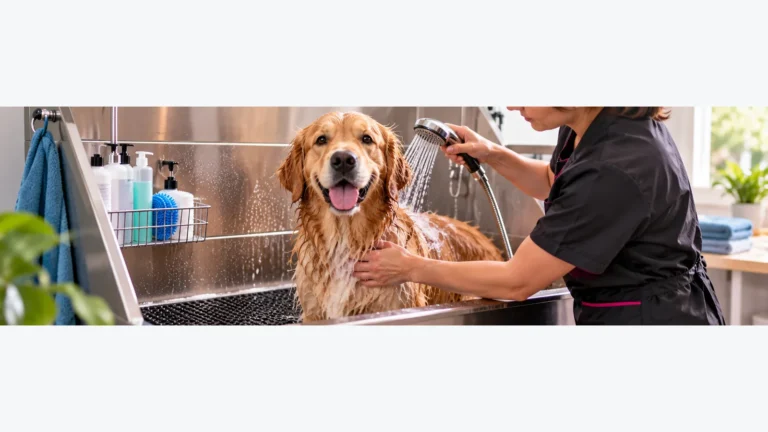
Choosing a dog grooming tub? Learn how to compare sizes, materials, drainage, ramp access, and safety features to find a suitable setup for home bathing or professional grooming.
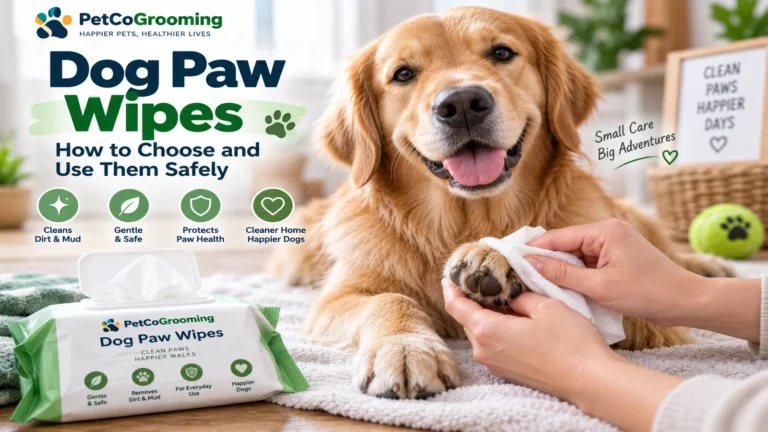
In this guide Choose an appropriate wipe Step-by-step cleanup Wipe or wash? Daily-use precautions When wipes are not enough Common questions Dog paw wipes are a convenient way to remove everyday dirt, mud, sand, and road salt from your dog’s paws after walks—but they should be made specifically for dogs and used as a quick…
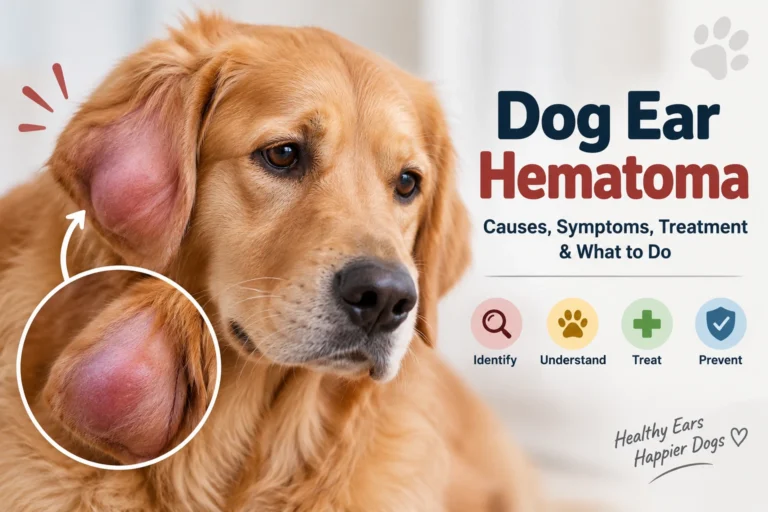
In this guide Recognize the swelling Urgent warning signs What to do next Veterinary treatment Possible causes Common questions A dog ear hematoma is a pocket of blood that forms inside the ear flap, usually after small blood vessels break. It can make part or all of the ear flap look swollen, thick, soft, or…

In this guide Everyday care essentials Coat and brushing Bathing when needed Daily dental care Careful ear checks A manageable schedule When to call your vet Dog hygiene is about much more than making your dog smell fresh. A good hygiene routine helps you keep track of your dog’s coat, skin, ears, teeth, nails, eyes,…

If you can see fleas on your dog, a flea shampoo can help remove or kill fleas that are on the coat during the bath—but it usually should not be treated as your dog’s entire flea-control plan. The right product depends on your dog’s age, weight, skin condition, and the exact active ingredients on the…
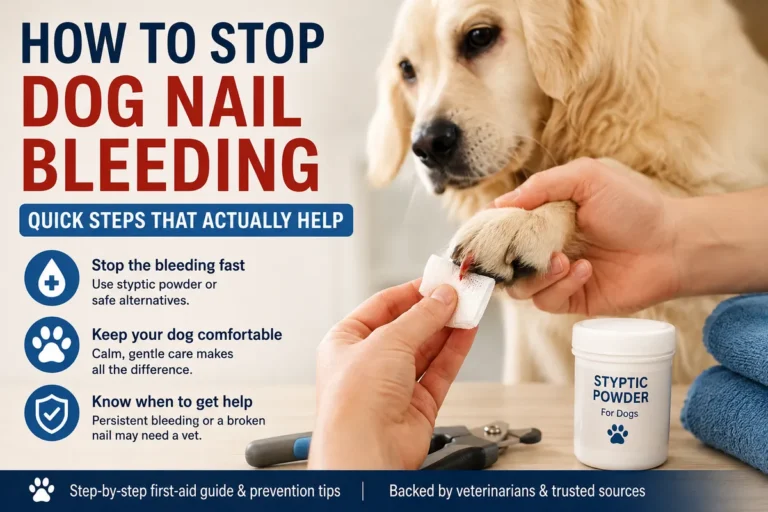
If you accidentally cut your dog’s nail too short, the fastest way to stop the bleeding is to apply a styptic product directly to the nail tip. If you don’t have one available, cornstarch or flour may help with a minor nail-trimming accident. A small cut into the quick can look dramatic because the quick…
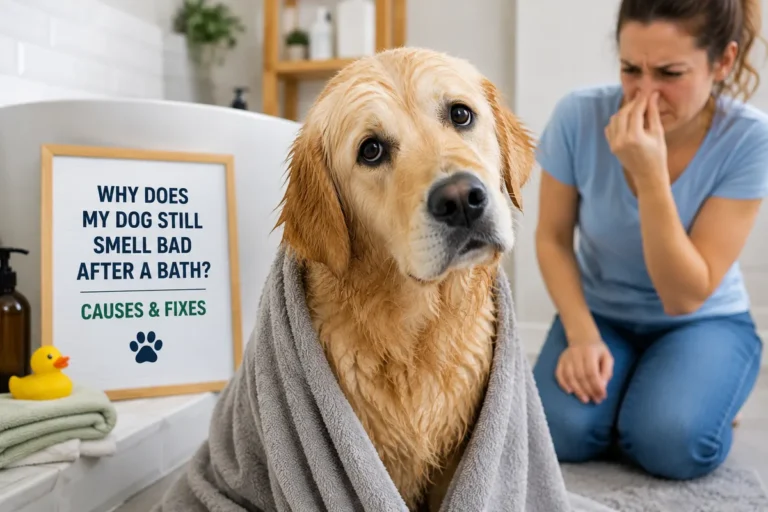
If your dog still smells bad after a bath, the problem may not be dirt on the coat. A persistent or quickly returning odor can come from damp fur, the ears, skin, mouth, anal sacs, or an underlying skin condition that shampoo alone cannot fix. A bath should leave your dog smelling cleaner—not exactly perfume-fresh,…
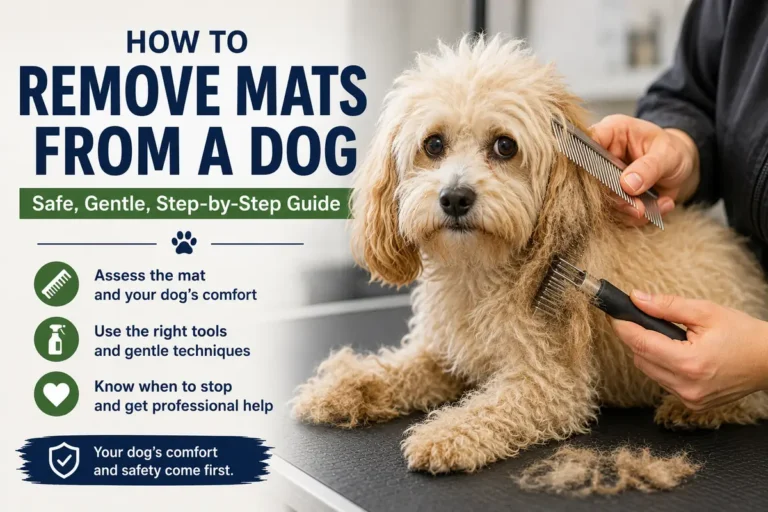
To remove mats from a dog safely, first determine how tight and close to the skin the mat is, then work gently from the outer edges with appropriate grooming tools. Small, loose mats may sometimes be loosened at home, but tight, extensive, painful, or skin-level mats are safer to have removed by an experienced professional…
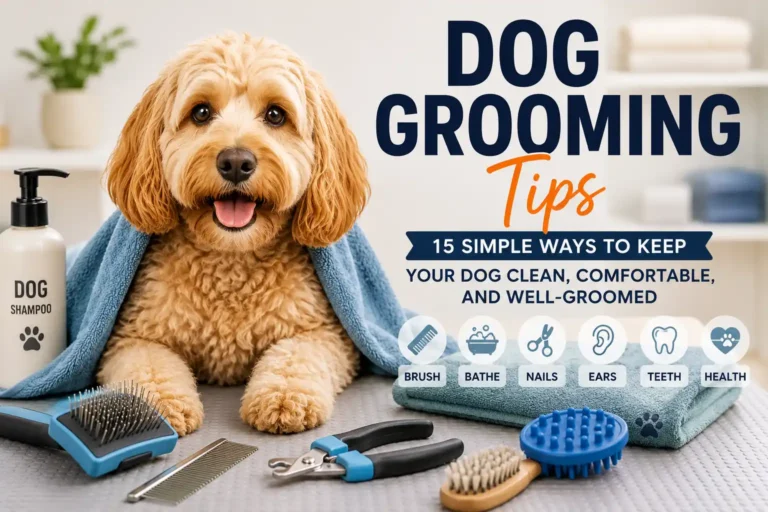
Dog grooming tips can help you keep your pet’s coat, nails, skin, ears, and teeth in better condition between professional appointments. The most effective routine is not about grooming more often—it is about using the right tools, following a consistent schedule, and adjusting care to your dog’s coat, lifestyle, and comfort level. Regular grooming can…

How often should I bathe my dog? For most healthy dogs, bathing about once a month or as needed is a reasonable starting point, but there is no one schedule that fits every dog. Your dog’s coat type, age, activity level, lifestyle, and skin health all affect how often a bath is appropriate. A dog…
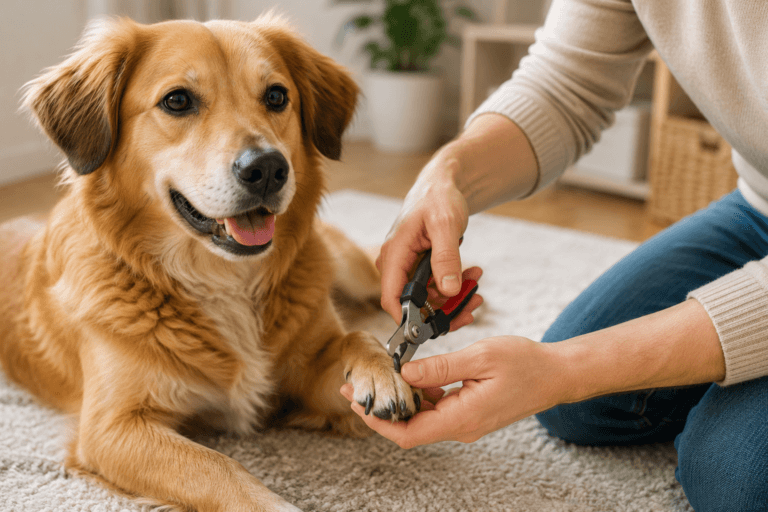
Learning how to trim dog nails safely starts with using the right dog nail clippers or grinder, keeping your dog calm, trimming only small amounts at a time, and avoiding the quick—the sensitive part of the nail containing blood vessels and nerves. If your dog becomes highly stressed or you are unsure where to cut,…

The best way to bathe a dog is to brush the coat first, prepare all supplies, use lukewarm water and a dog-specific shampoo, rinse thoroughly, and dry the coat completely while keeping your dog calm and comfortable. How often a dog needs a bath depends on factors such as coat type, lifestyle, outdoor activity, skin…
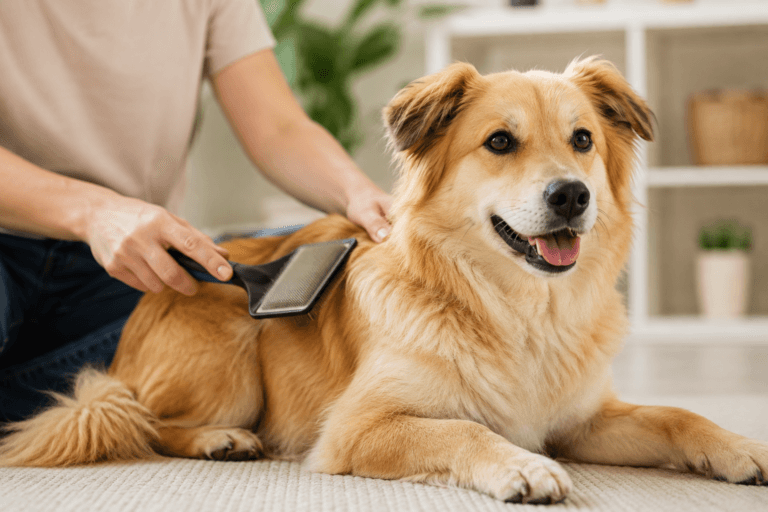
A good dog grooming schedule depends on your dog’s coat type, lifestyle, grooming style, and individual needs. Some dogs need frequent brushing and professional grooming, while others can go longer between appointments. Grooming is about more than keeping your dog looking clean. A consistent routine can help manage loose hair and tangles, maintain nails, keep…